
We offer a suite of packages designed to make embedded software design smooth for anyone, providing immediate value on-site.
This significantly reduces the time and cost required for initial setup when introducing Next Design, allowing you to experience implementation benefits even sooner.
-
Bringing Process Assets to Your Development Environment
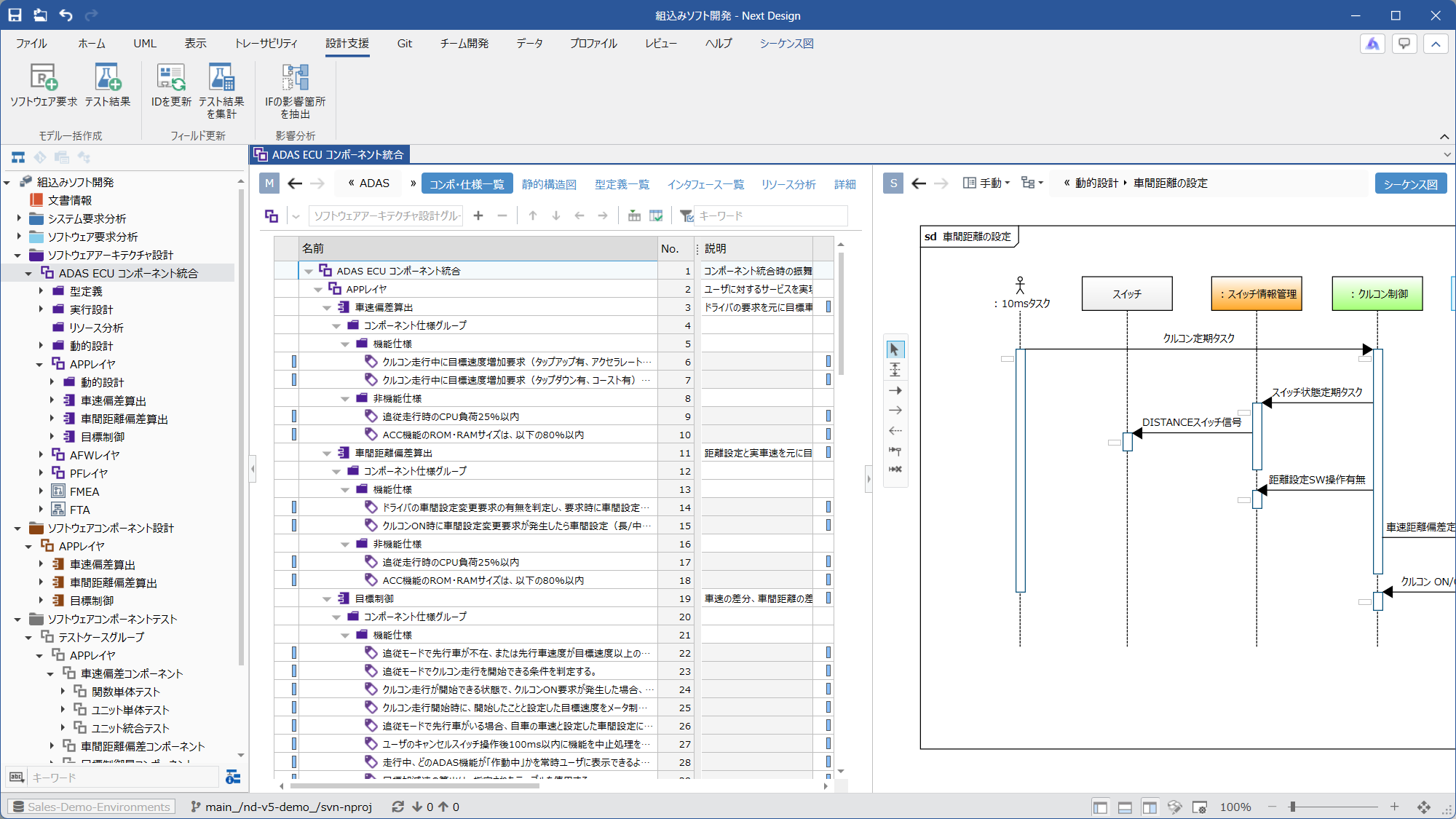
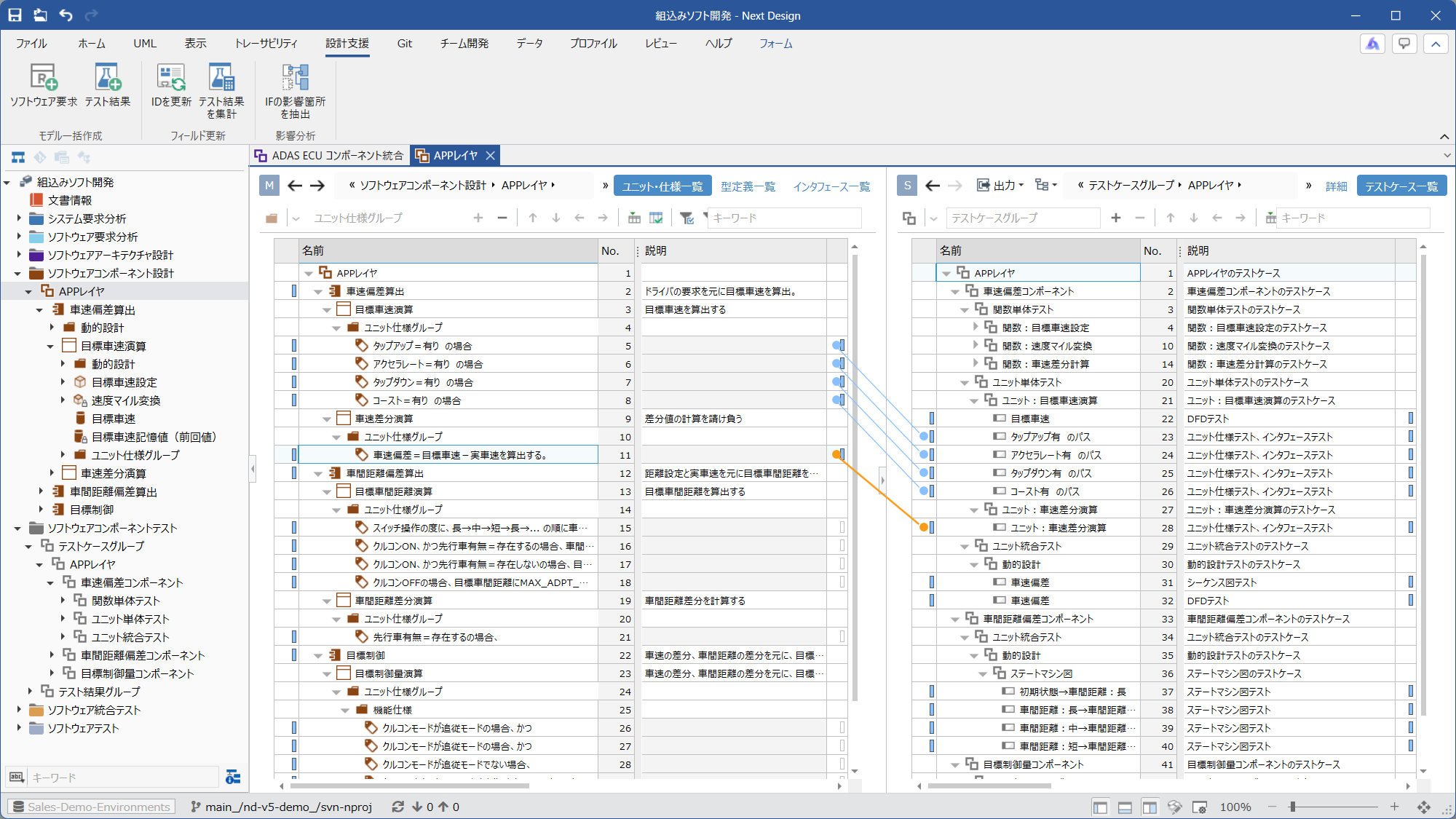
Based on Automotive-SPICE (*), a development process cultivated in the automotive industry, we have incorporated our own expertise. This system systematizes V-model processes and deliverables as a base package that can be immediately deployed in any embedded software development environment, regardless of industry.
The base package includes a set of metamodels (structural definitions) and view definitions (representation methods) required for digital transformation, allowing you to either use them as-is to start designing immediately or tailor them to your own processes and target domain for organizational deployment.
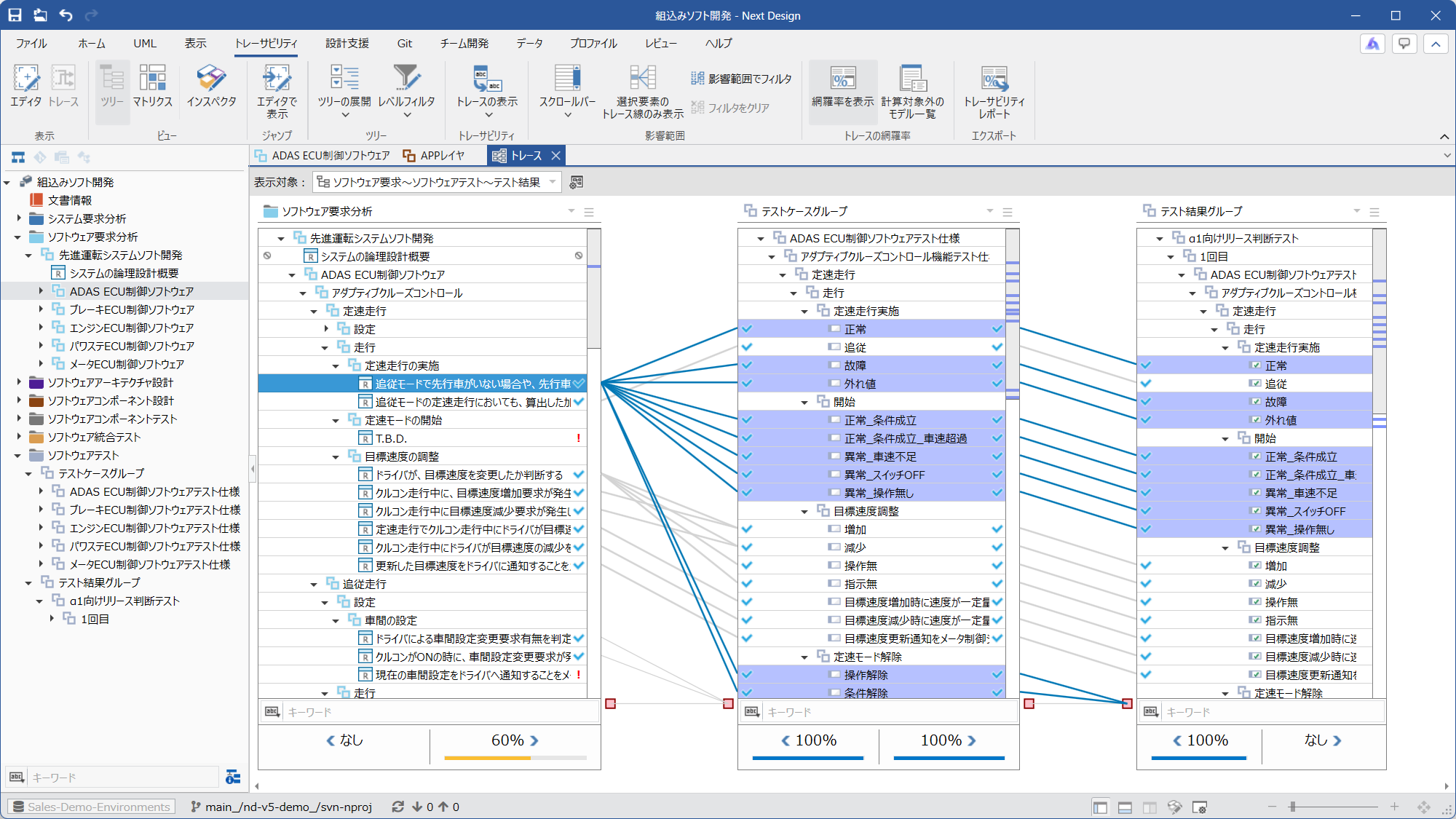
(*) Automotive-SPICE is a registered trademark of the Verband der Automobilindustrie e.V. (VDA). While the provided packages use Automotive-SPICE as a reference, they do not guarantee compliance or certification with Automotive-SPICE.
-
Standard design methods, ready to use
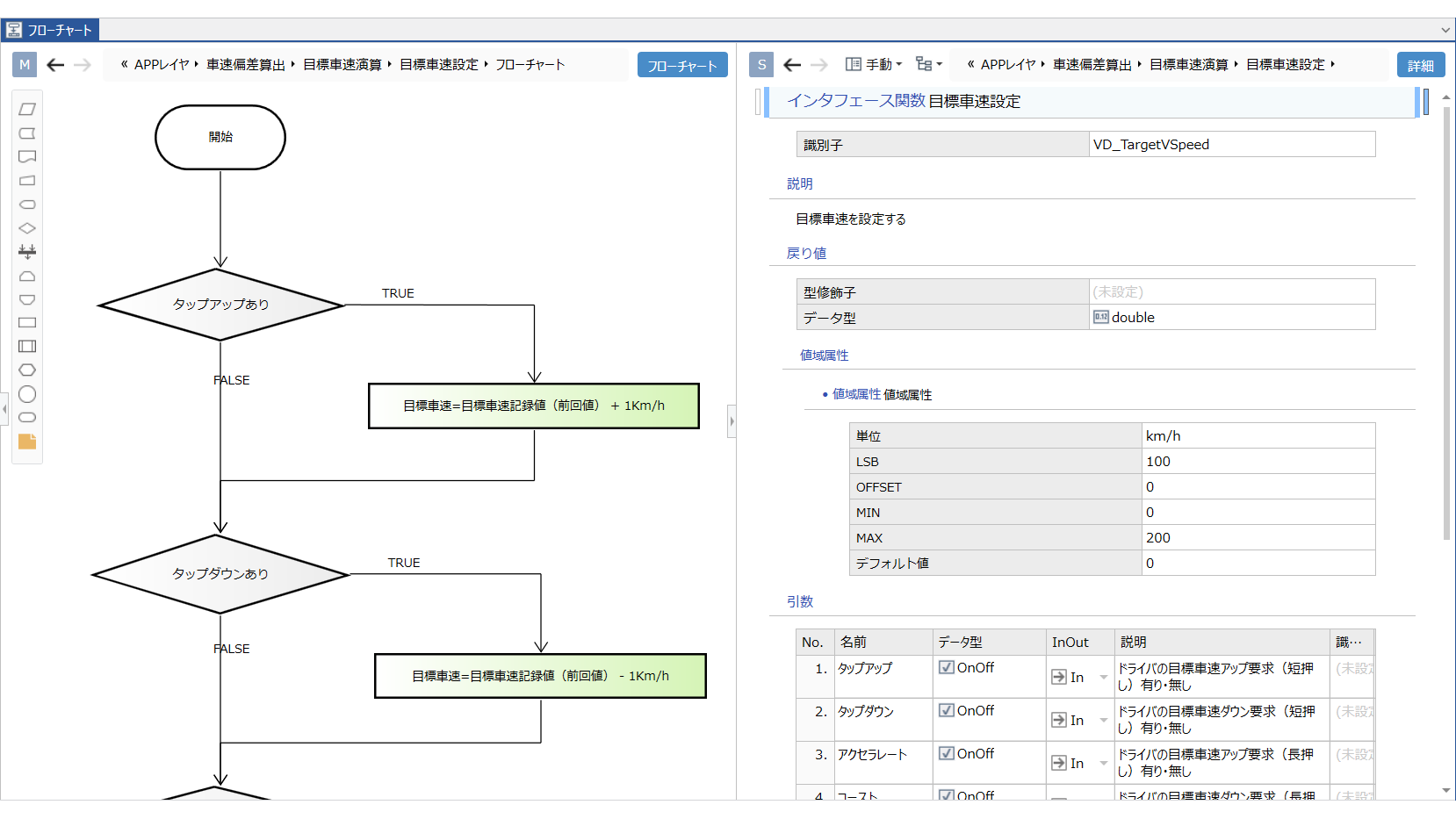
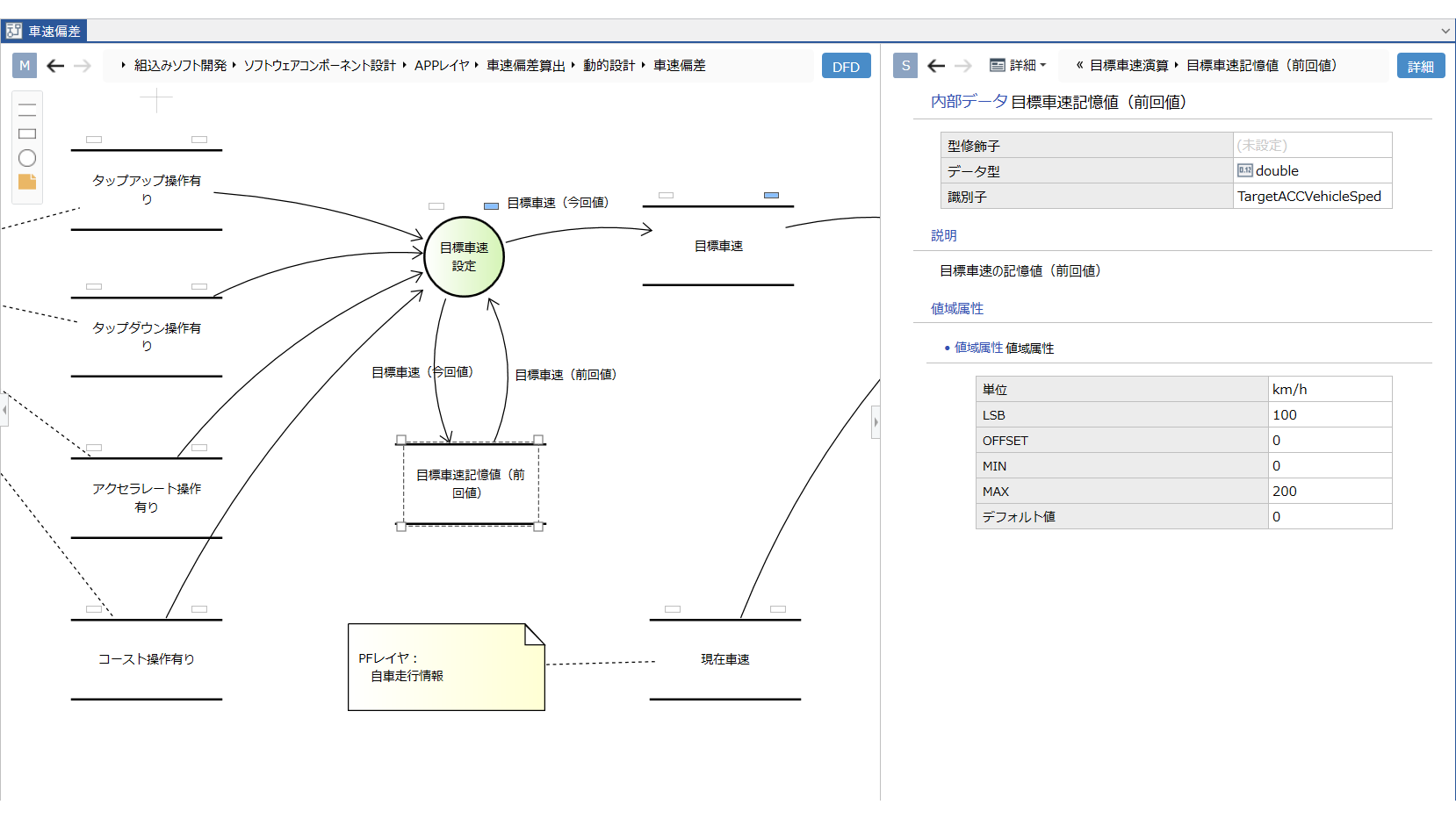
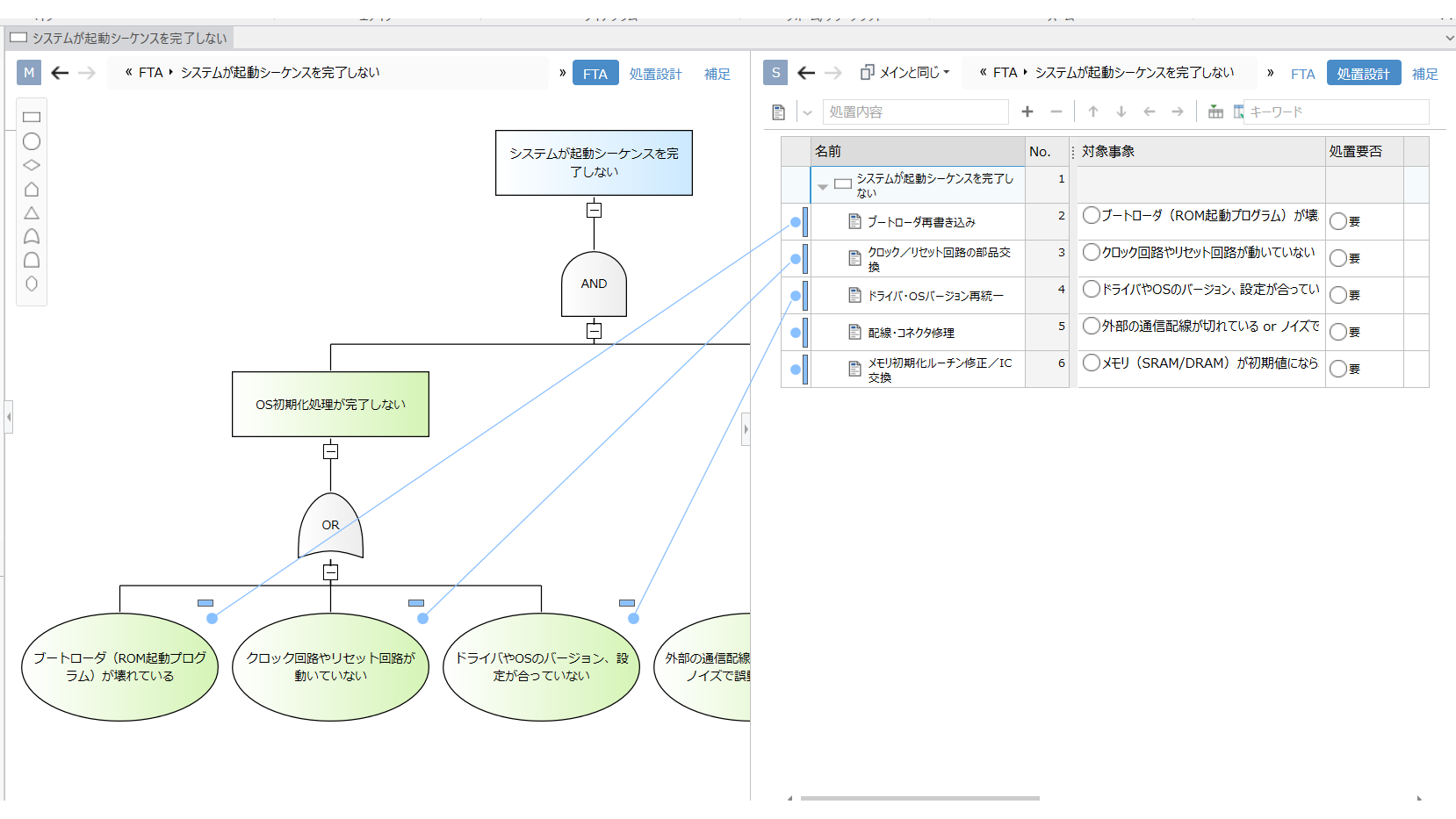
A lineup of package groups providing immediate access to standard design methodologies such as flowcharts, DFDs, FMEA, FTA, and USDM.
By combining the most appropriate methods for each phase—from requirements analysis and detailed design to failure analysis—design information can be centrally managed within a single tool.
Design methods required in embedded software development can be used immediately by simply adding base packages or custom profiles.
-
Streamline on-site operations with extensions
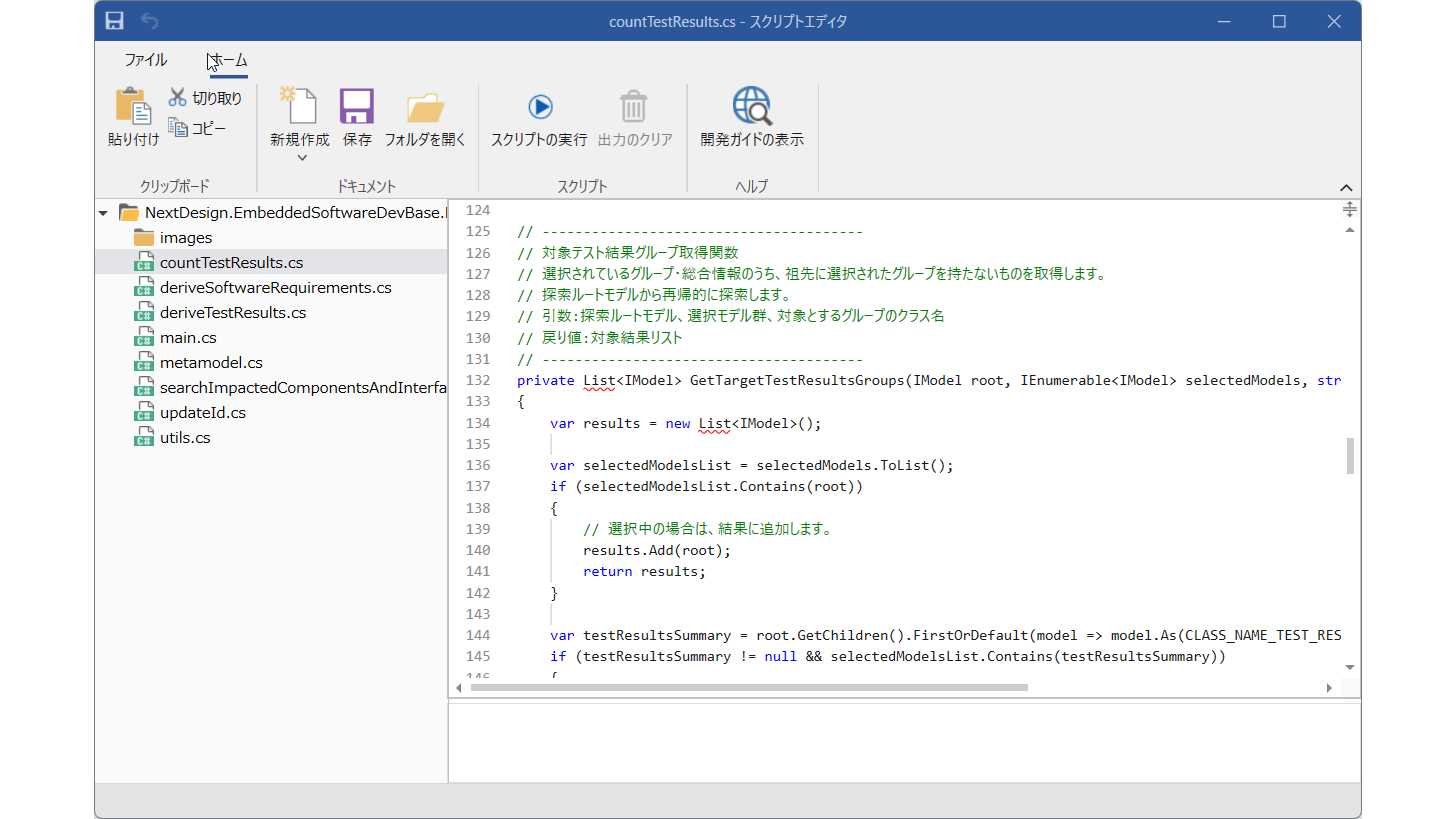
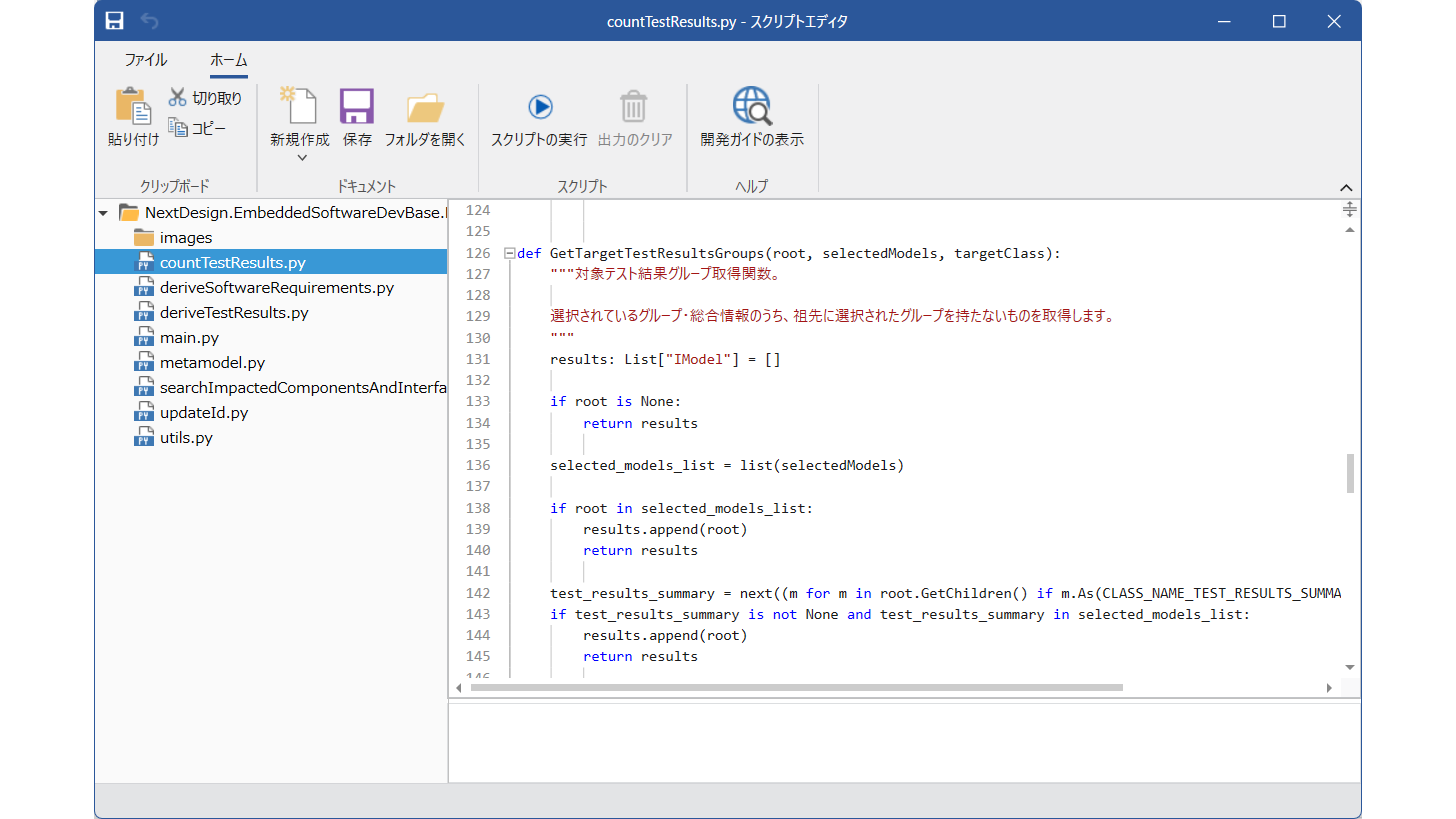
The base package also includes extensions to automate routine on-site tasks. Features such as batch model generation from upstream processes, automatic ID assignment, automatic extraction of impact ranges, and automatic aggregation of test results are immediately available.
These extensions are provided in script format, allowing them to be referenced as implementation examples or used as a foundation for further expansion.
In addition to C#, which is widely used for extension development, Python is now also supported, empowering a broader range of engineers to leverage digital transformation-enabled design data and drive on-site improvements.