



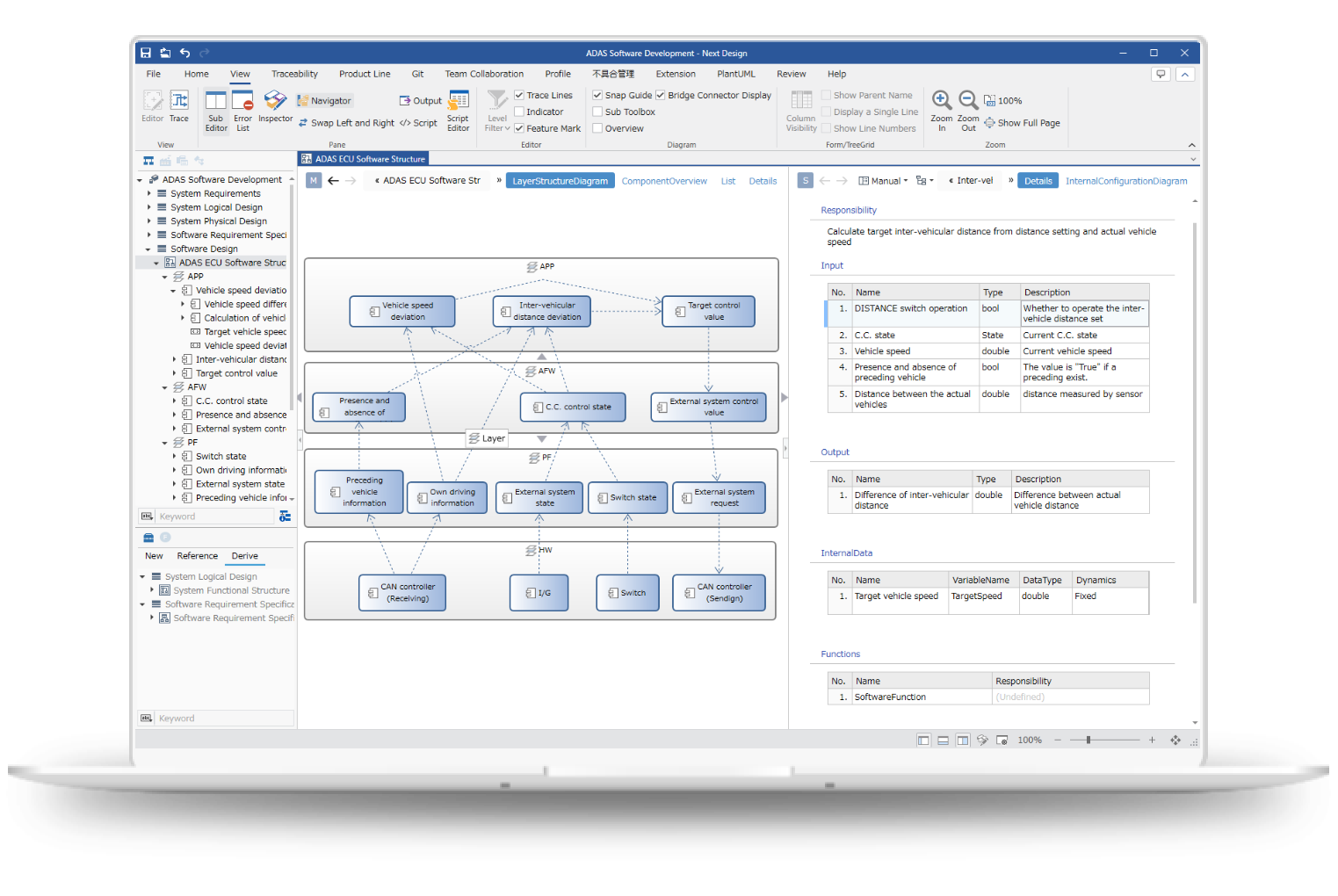

- Representing design data
of development process
as it is - Integrating documentation
and traceability
into modeling tool - Supporting product line development
- Extending functions
flexibly with extentions
-
Next Design Blog
We share tips on how to get the most out of Next Design, including feature introductions and technical columns.
See more
-
Customer Success Stories
Explore case studies of companies that have implemented Next Design.
See more
-
90-Day Free Trial
We offer a free trial version that allows you to use all features for 90 days.
See more
NEWSNotice
- October 20, 2026 Event Announcement: Exhibiting at EdgeTech+ 2026 Yokohama
- 2026-09-30 News Announcement regarding the release of "Next Design V5.1" and "Next Design AI Tool Kit"
- 2026-08-05 Support Notice Regarding Customer Business Closure Period
- 2026-07-03 Event Notice of Exhibition at EdgeTech+ WEST 2026
- May 29, 2026 News Next Design V5.0 Released
- 2026-04-28 Support Notice Regarding Customer Business Closure Period
- 2026-04-17 Support [Advance Notice] Important notes regarding the Next Design V5.0 update
- 2026-03-03 Event Notice of Exhibition at Japan IT Week Spring 2026 - Embedded & Edge IoT Expo
- 2025-12-15 Support Notice Regarding Customer Business Holiday Period
- 2025-10-28 Event Notice of Exhibition at EdgeTech+ 2025
- 2025-09-25 Support Notice of Price Revision
- 2025-09-19 News End of Support for DB Format (*.iproj) and Migration Procedure
- 2025-08-05 News Notice of Next Design V4 Extension Features Release
- 2025-07-15 Support Notice Regarding Customer Service Closure Period
- 2025-06-30 Event Notice of Exhibition at EdgeTech+ WEST 2025
- 2025-06-27 News Notice of Next Design V4.0 Service Update 1
- 2025-04-17 Event Notice of Exhibition at the 28th IoT & Edge Computing EXPO (ESEC)
- 2025-04-08 Support Notice Regarding Customer Business Closure Periods
- 2025-03-31 News Notice Regarding the Release of Next Design V4.0
- 2024-12-23 Support [Advance Notice] Important notes regarding the Next Design V4.0 update
- 2024-12-17 Support Notice Regarding Holiday Schedule for Customer Support
- 2024-11-15 News Announcing the Development of "DC Copilot" (tentative name), a Tool Platform Providing AI-Assisted Features
- 2024-11-06 Event Notice of Exhibition at EdgeTech+ 2024
- 2024-10-01 Support Notice of Price Revision
- 2024-07-31 Support Notice Regarding Customer Business Holiday Period
- 2024-07-26 News Notice of ScriptEditor V1.0.1 Release
- 2024-07-05 Event Notice of Exhibition at EdgeTech+ West 2024
- 2024-04-24 Support Notice Regarding Business Holiday Closures
- 2024-04-10 Event Announcement of Exhibition at the 27th Embedded / Edge Computing Fall Exhibition (ESEC Spring)
- 2024-04-05 News Notice of Customer Case Studies Publication
- 2024-03-27 News Notice of Blog Launch
- 2024-02-05 News Notice regarding Next Design V3.1 Service Update 2
- 2023-12-14 News Offline License Activator V1.0.0 Released
- 2023-12-05 Support Notice Regarding Customer Business Holiday Period
- 2023-11-29 News Release of Advanced Review Support Features (Next Design × Lightning Review Integration Features)
- 2023-10-30 Event Information on EdgeTech+ 2023 Exhibition
- 2023-10-25 News Notice of Next Design V3.1 Service Update 1
- 2023-10-20 Support Notice Regarding Partial Revision of Next Design Agreement
- 2023-08-30 News Release of Next Design V3.1
- 2023-08-02 Support Notice Regarding Customer Business Closure Period
- 2023-07-18 Event Notice of Exhibition at EdgeTech+ West 2023
- 2023-07-07 News Release of How-To Content for Profile Definition
- 2023-06-29 News [Advance Notice] Important Information Regarding the Next Design V3.1 Update
- 2023-04-21 Support Notice Regarding Holiday Closures
- 2023-03-16 News Notice of UML/SysML Package V2.1.4 Release
- 2023-03-14 Event Notice of Exhibition at the 32nd Software & Apps Development Expo (SODEC)
- 2023-02-22 News Notice of Next Design V3 Release
- 2022-12-05 Support Notice Regarding Holiday Closures
- 2022-10-28 Event Notice of Exhibition at EdgeTech+ 2022
- 2022-10-03 News Notice of UML/SysML Package V2.1 Release
- 2022-09-05 News Notice of 64-bit Version of Next Design Release
- 2022-08-31 Event Notice of Exhibition at Software Quality Symposium 2022 (SQiP 2022)
- 2022-08-04 Support Notice Regarding Holiday Closures
- 2022-07-11 News Notice of Next Design V2.0 Service Update 2
- 2022-07-08 Event Notice of Exhibition at ET&IoT West 2022
- 2022-05-20 News Notice of Next Design V2.0 Service Update 1
- 2022-05-10 News Notice of UML/SysML Package Version Upgrade
- 2022-04-18 Support Notice Regarding Holiday Closures
- 2022-03-22 Event Notice of Exhibition at the 31st Software & Apps Development Expo (SODEC)
- 2022-02-04 News Important Notice Regarding Next Design Updates
- 2022-01-20 News Notice of Next Design V2.0 Release
- 2021-12-15 Support Notice Regarding Holiday Closures
- 2021-09-28 Event Software Quality Symposium 2021 (SQiP 2021) Received "SQiP Best Paper Future Award"
- 2021-09-01 News Next Design V1.1.4 Released
- 2021-08-18 Event Notice of Exhibition at Software Quality Symposium 2021 (SQiP 2021)
- 2021-07-12 Support Notice Regarding Customer Business Closure Period
- 2021-04-27 News Next Design V1.1.3 Released
- 2021-04-23 Support Notice Regarding Customer Business Closure Period
- 2021-04-01 Event Notice of Exhibition at the 30th Software & App Development Expo (SODEC)
- 2021-03-25 News Next Design V1.1.2 Released
- 2020-12-17 Event Notice of Exhibition at the 2nd Kansai Software & App Development Expo (SODEC)
- 2020-12-07 Support Notice Regarding Customer Support Operations During the Year-End and New Year Holidays
- 2020-09-16 News General sales of Next Design have started.
- 2020-07-31 News Early access to the Next Design V1.1 beta version has started.
- 2019-11-19 The Next Design product website is now live.
CHALLENGE Issues facing large-scale system / software development
Systems and software are growing increasingly large-scale and complex due to advanced services.
As a result, concurrent development where multiple teams collaborate across companies and departments has become mainstream.
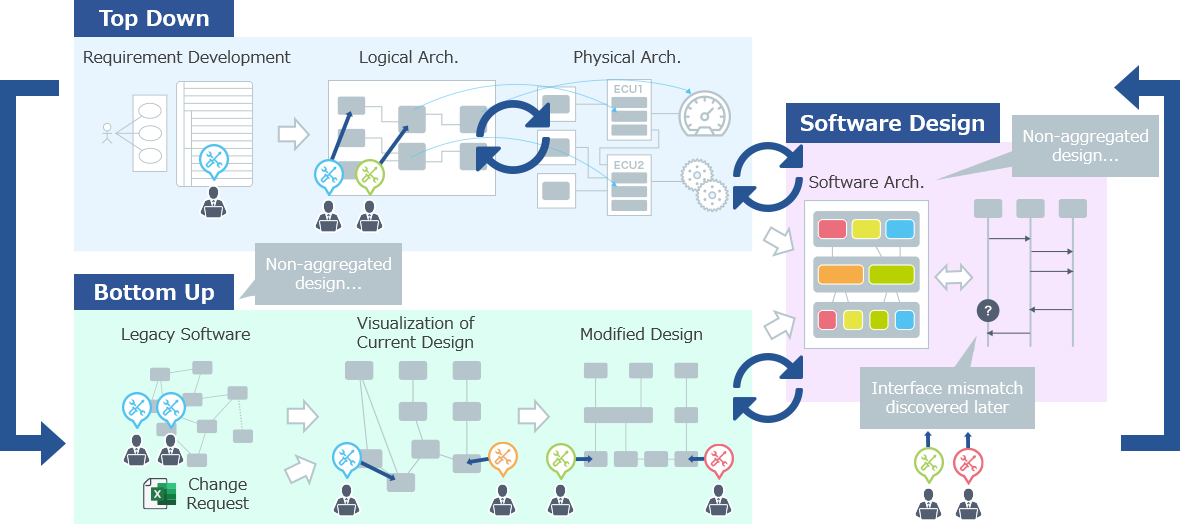
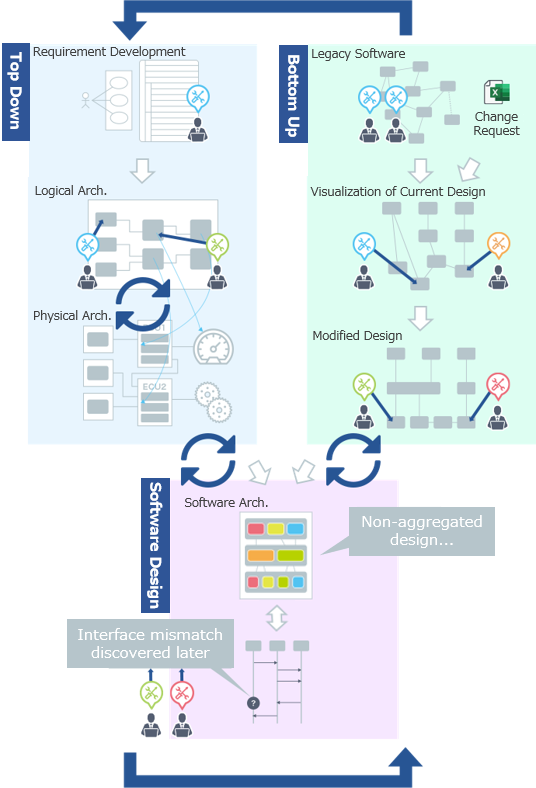
While a top-down development approach—progressing stepwise from overall system architecture to detailed components—is ideal in theory,
in reality, modification and derivative development using a bottom-up approach based on existing assets makes up the majority.
In large-scale development, discrepancies in design data often occur between the ideal "top-down development" and the asset-driven "bottom-up development,"
leading to reconciliation issues across companies and organizations that pose significant challenges on the development floor.
CONCEPT Approach of adapting the tool to actual working process
Next Design is a next-generation design tool for systems and software development.
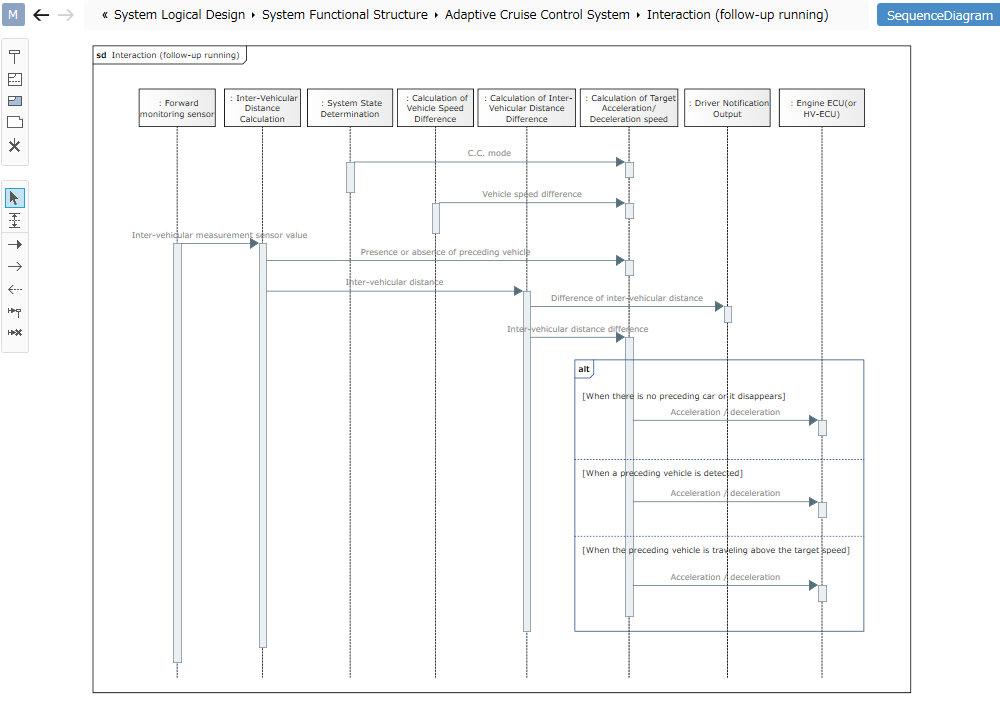
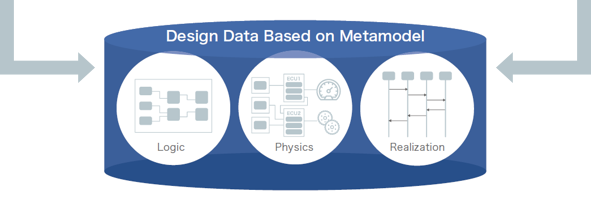
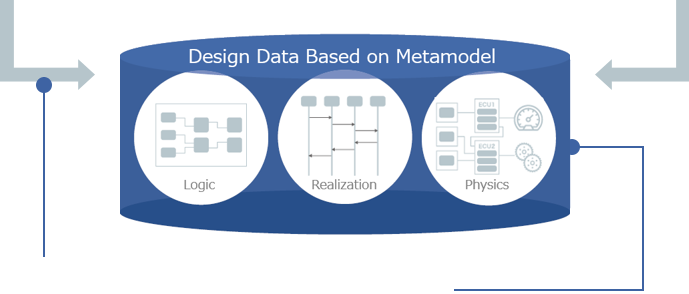
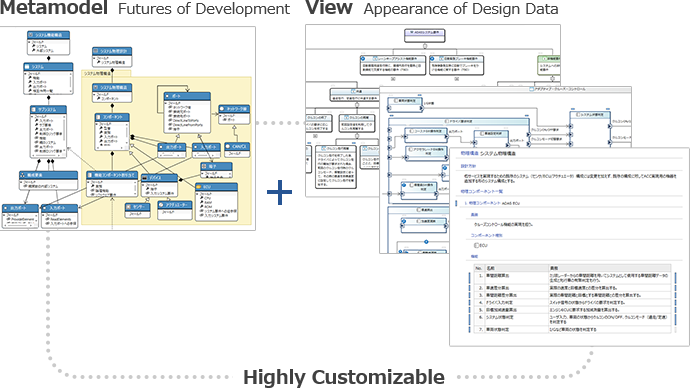
The 'metamodel', which defines the structure and relationship of design data for each process, and
the 'view definition', which is a diagram and document representation for expressing it, can be adapted to the perspective and use of the development site to create a dedicated design It can be made into a tool.
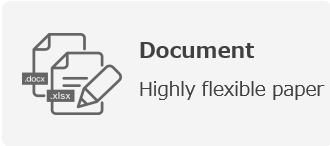
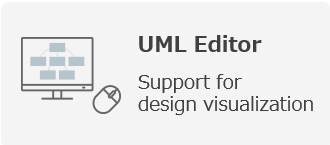
Conventional method

Database of design data (digital transformation)
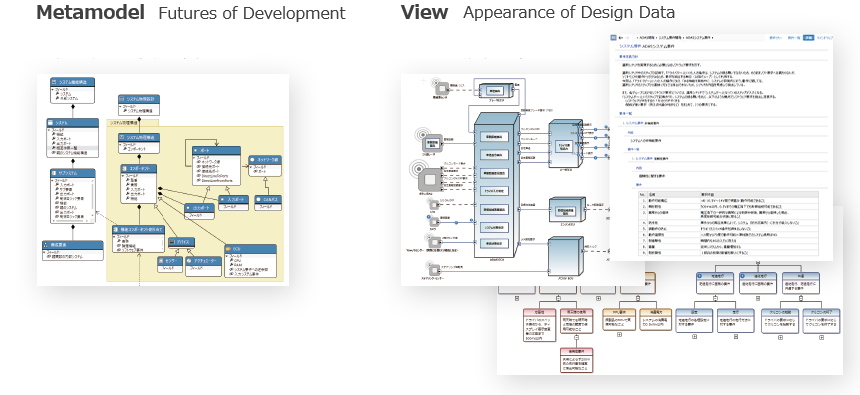
Your exclusive design tool without programming
-
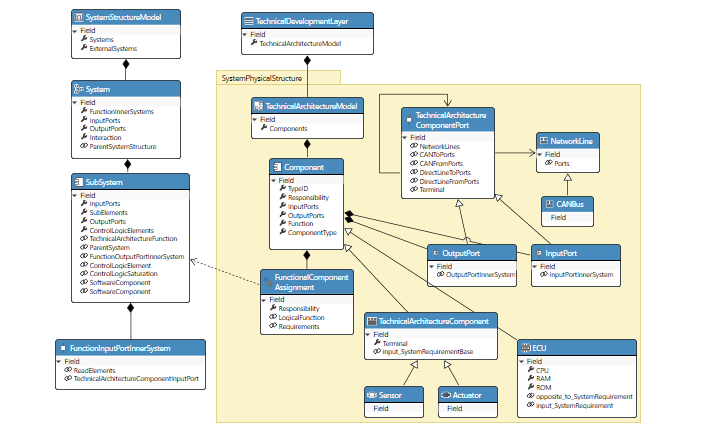
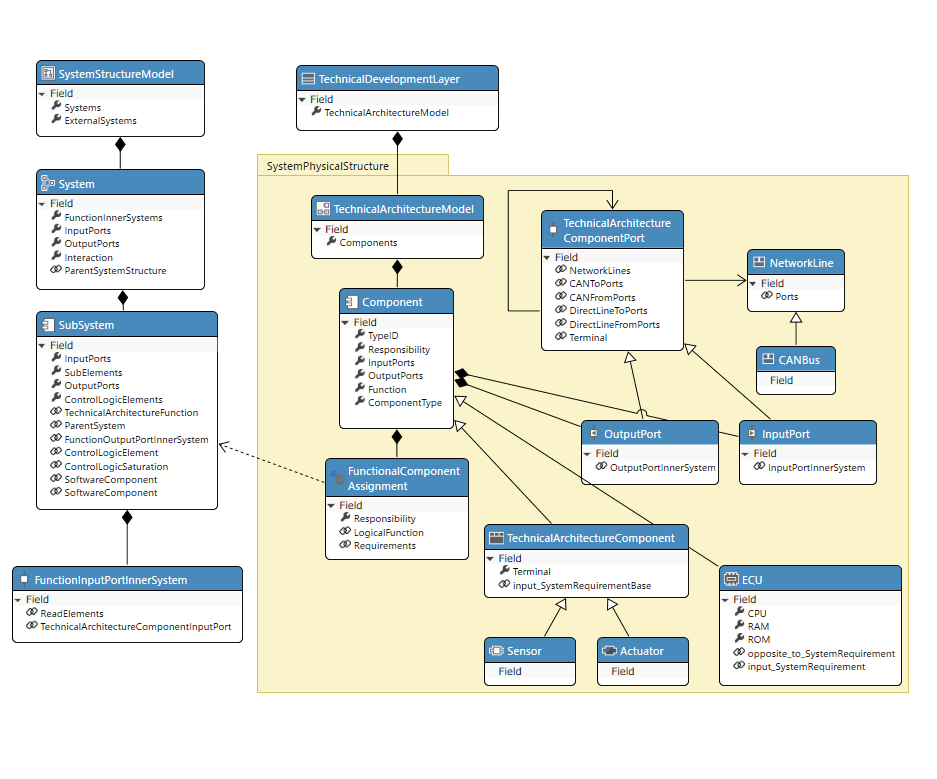
Defining features of development with metamodels
Define the structure and relationships of design information for each phase using class diagrams.
Materialize designs and processes tailored to each product. -
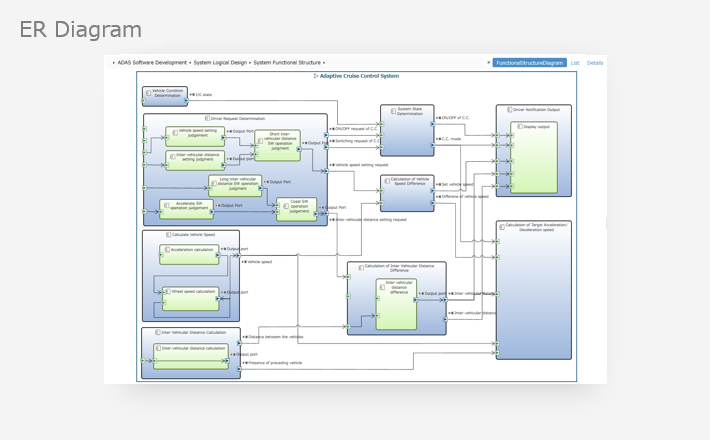
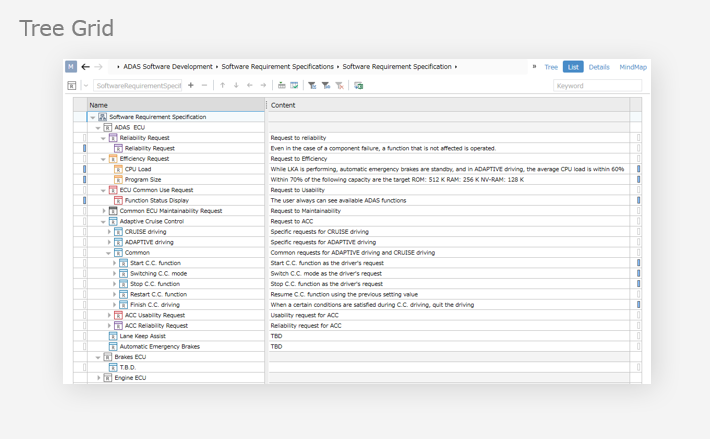
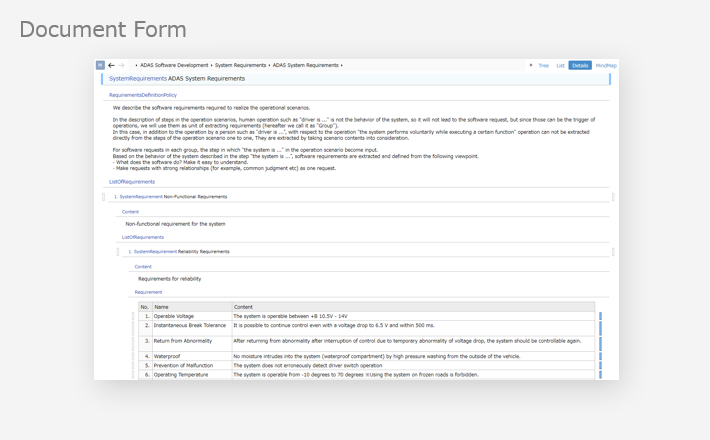
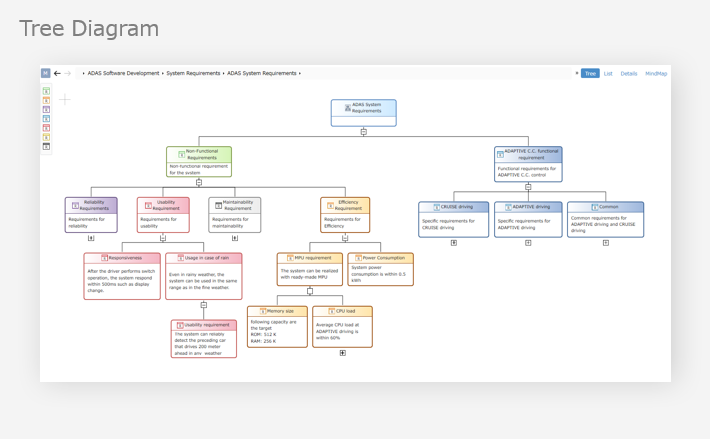
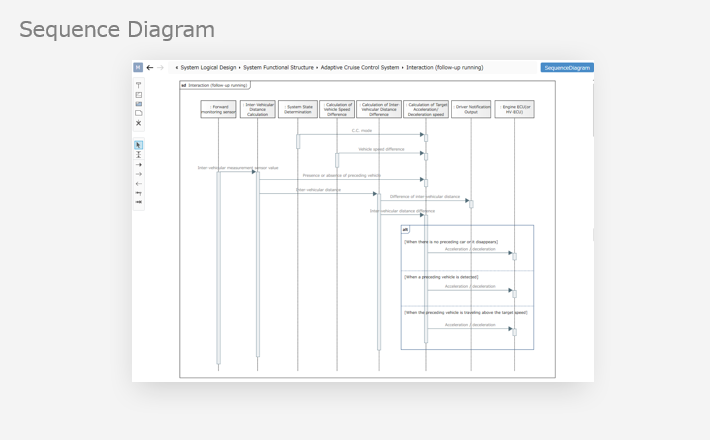
Defining various looks of outputs with views
Define according to design perspectives and the purpose of deliverables.
You can seamlessly switch the same design data between diverse representations, ranging from Word-like documents to Excel-style grids and diagrams.* Patent No. 6847382
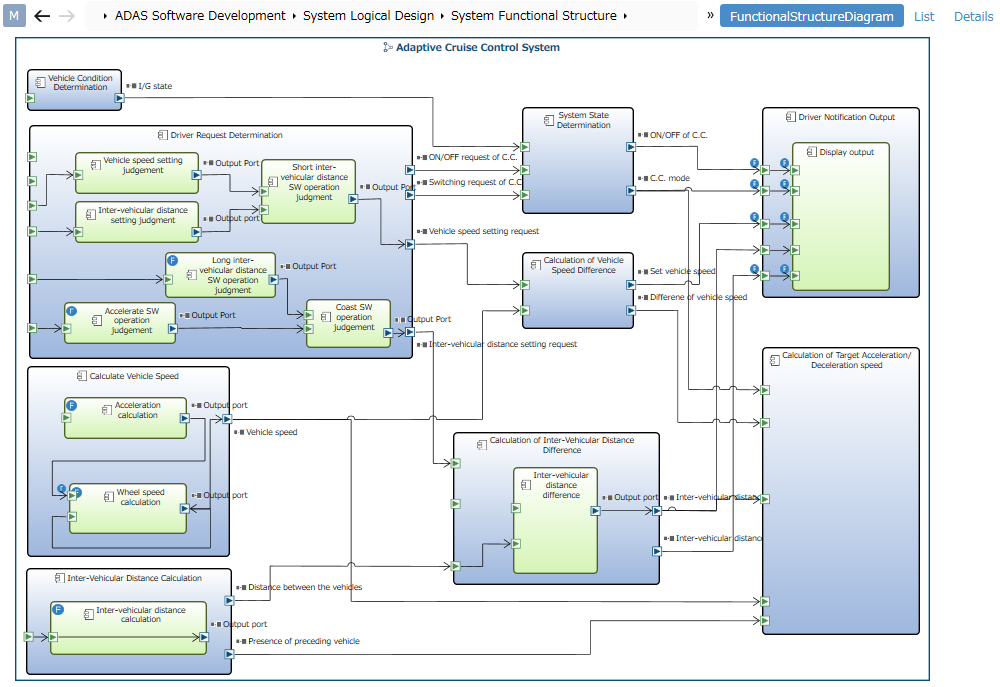
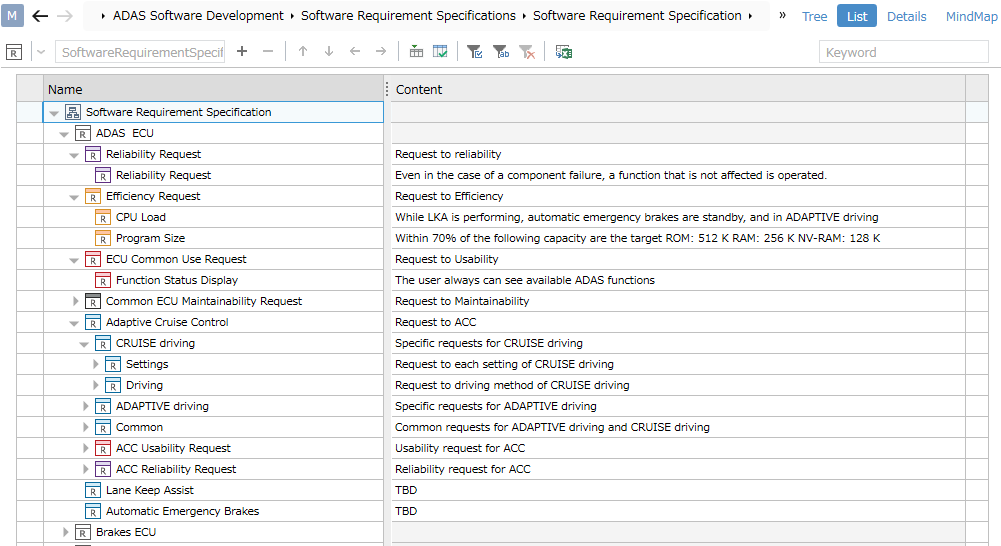
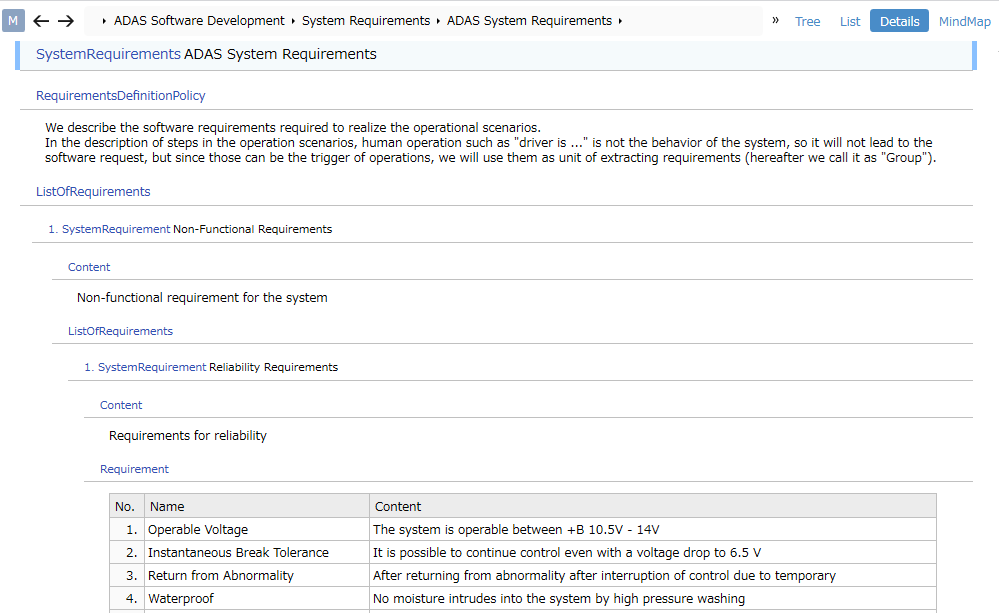
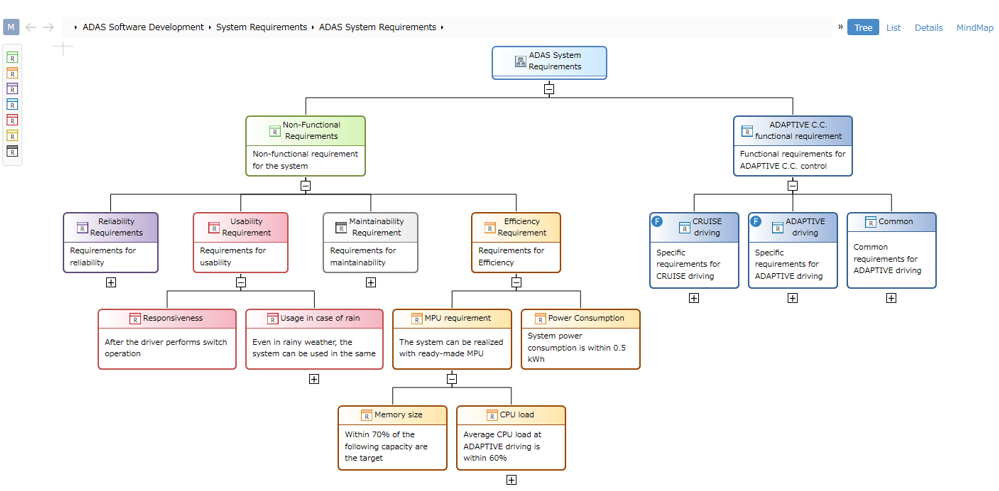
Digital transformation
Facilitating the
digitization of design
with metamodels
Unification
Supporting the creation of
a database of design data
from system design to software design
Your exclusive tool with metamodels and views
Leverage your team's strengths while adopting
a design tool tailored to your actual development practices.
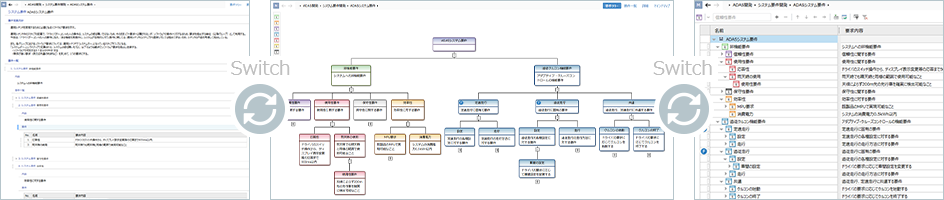
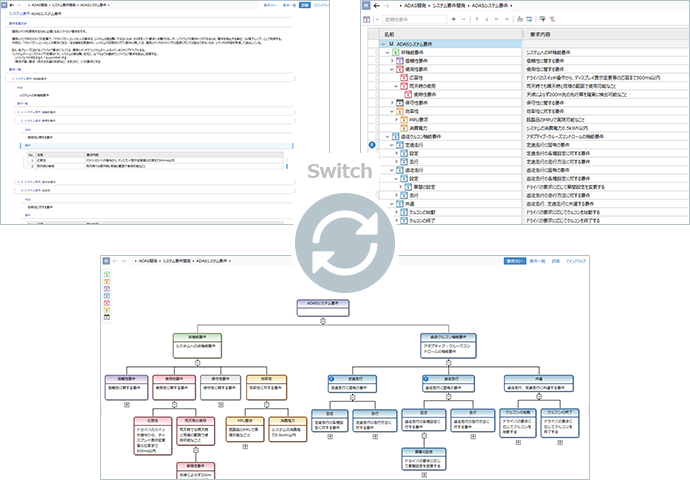
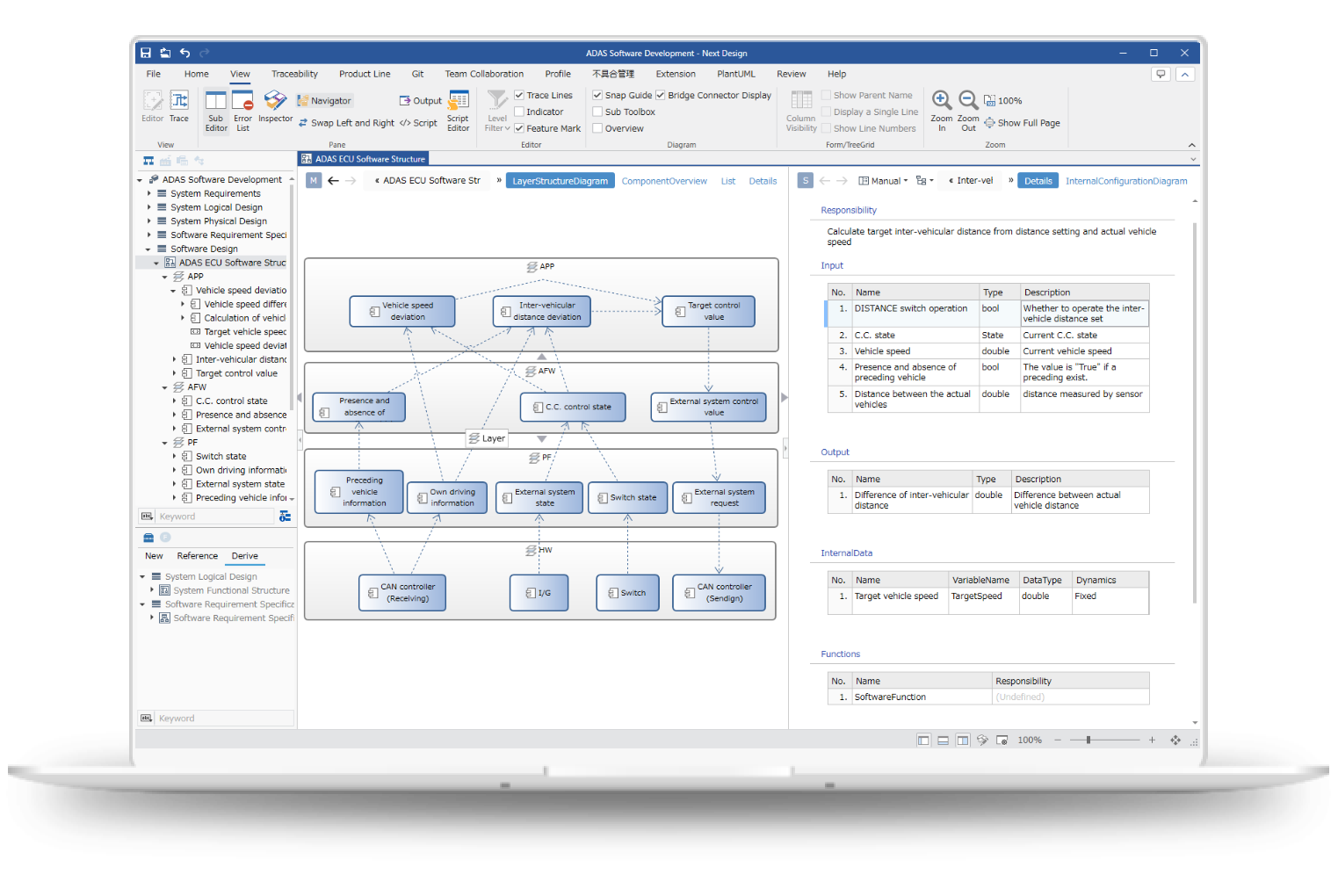
Changes automatically followed by other views
When a designer updates the design content,
it is automatically reflected across all related views.
Your design data is always up-to-date, eliminating the risk of outdated information.
FEATURES Features
Next Design is equipped with a wide range of features to strongly support system and software design.
We introduce its key features, including versatile design representations tailored to your workflow, team development support, and the design traceability required for quality assurance.
-
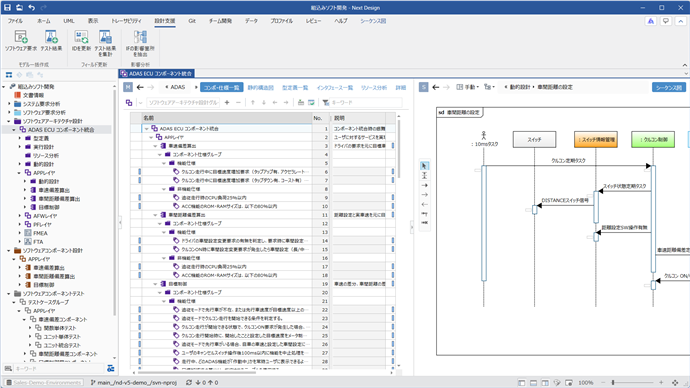
Your exclusive design tool without programming
-
Quick Start with Embedded Software Development Packages
-
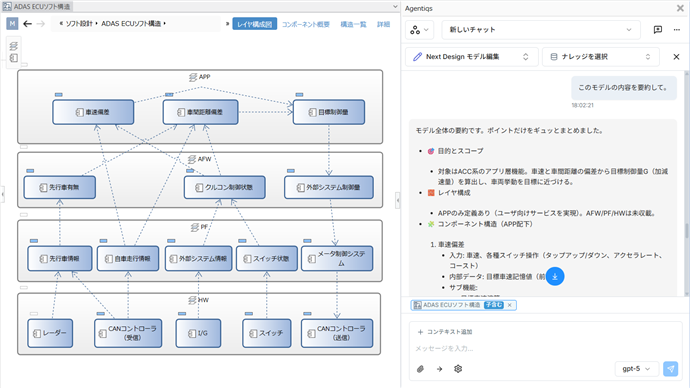
AI-Assisted design for efficient, high-quality embedded software development
-
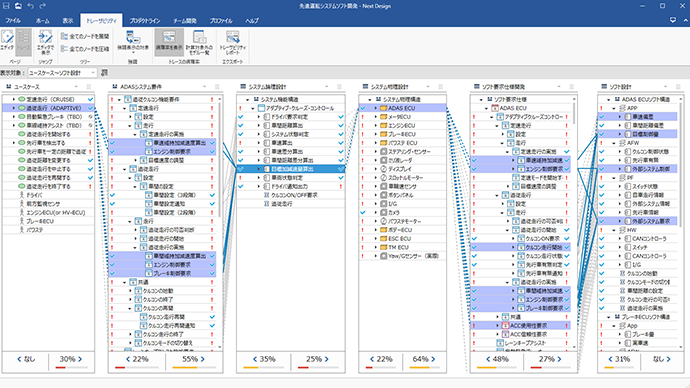
Recording traceability while designing
-
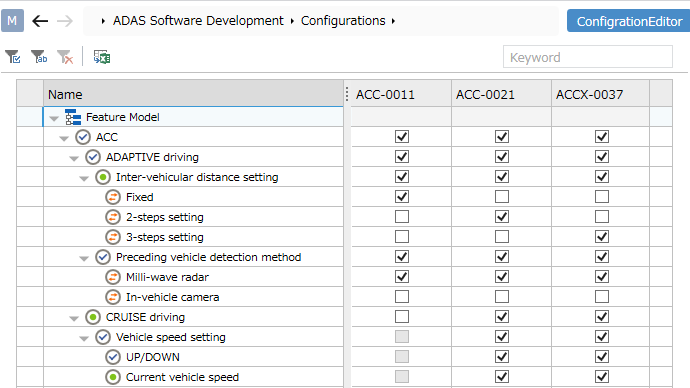
Reusing designs in product line development
-
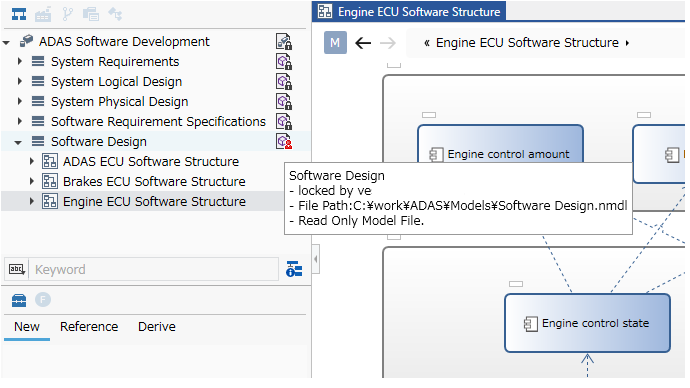
Supporting large-scale development by team
CASEUse Cases
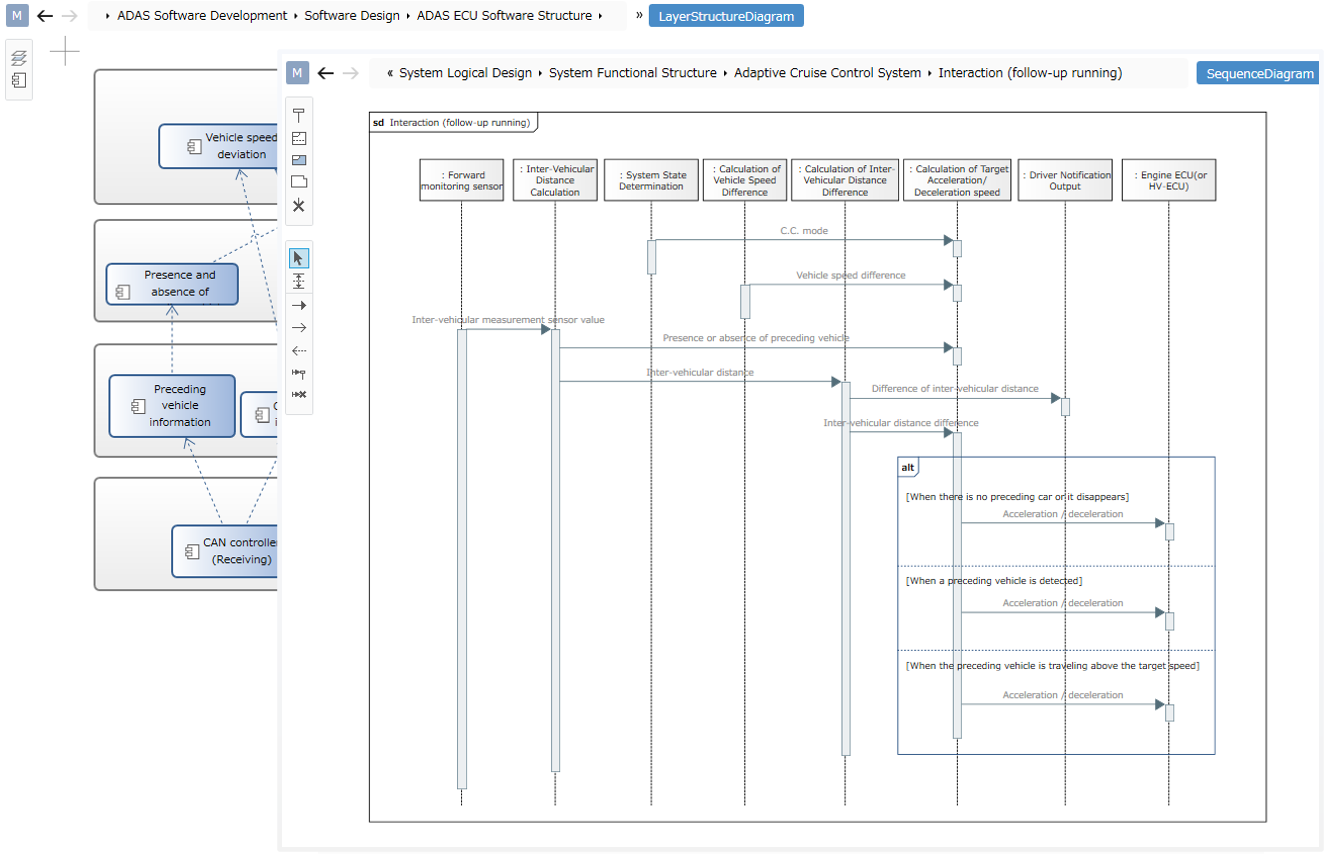
Example on top-down development
By defining the deliverables and their relationships for each phase as a meta-model and assigning appropriate views,
you can achieve highly accessible operations across phases.
-
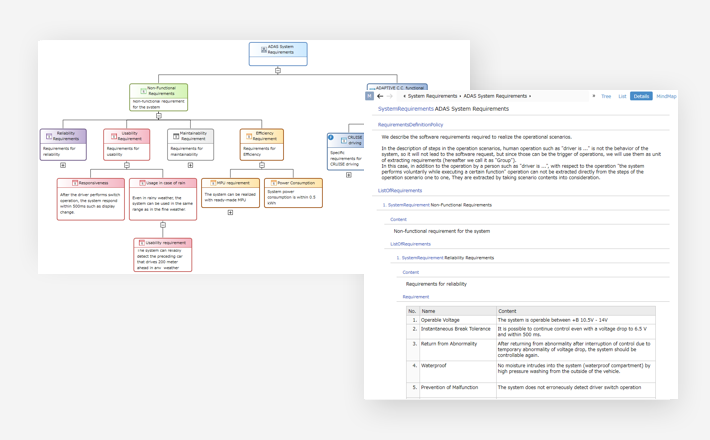
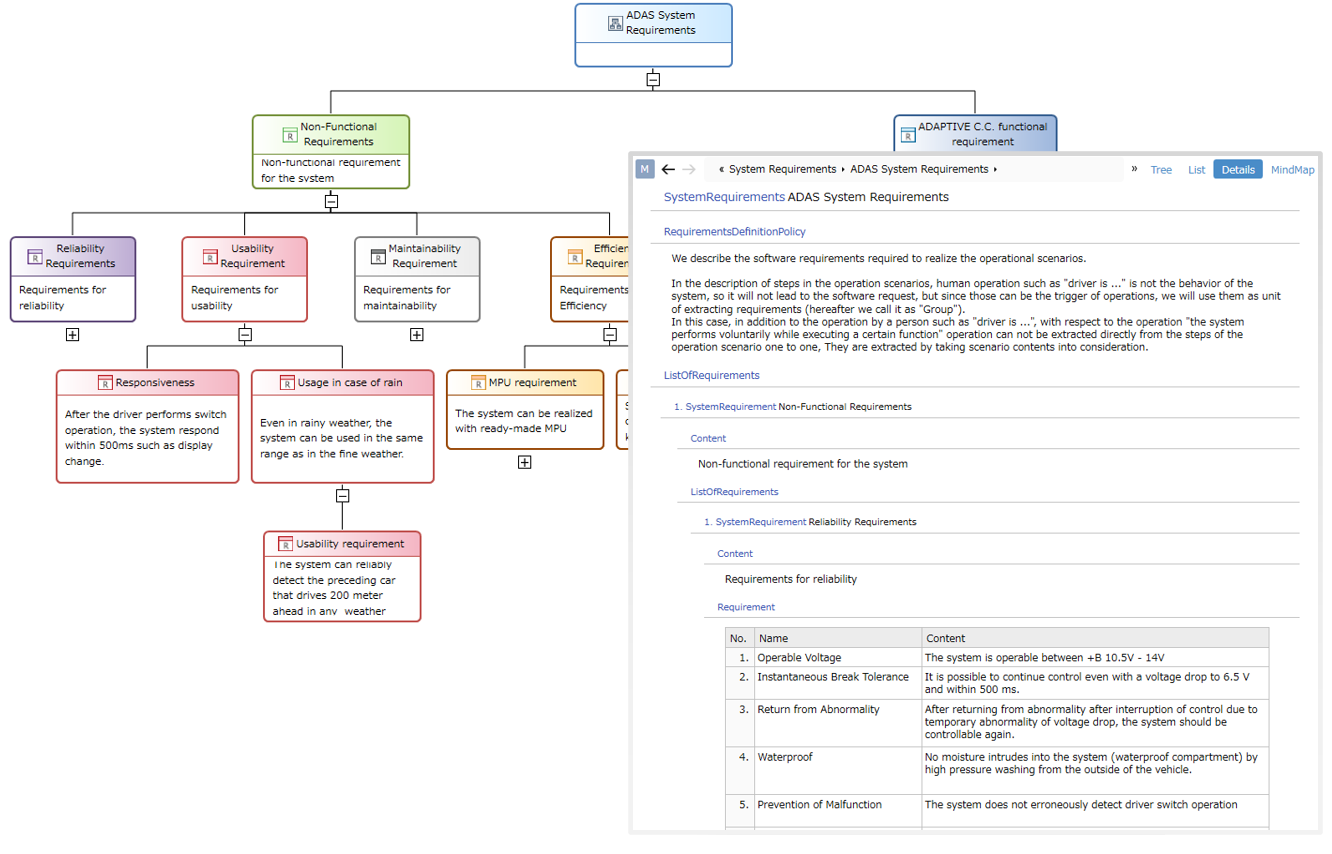
Requirement development
-
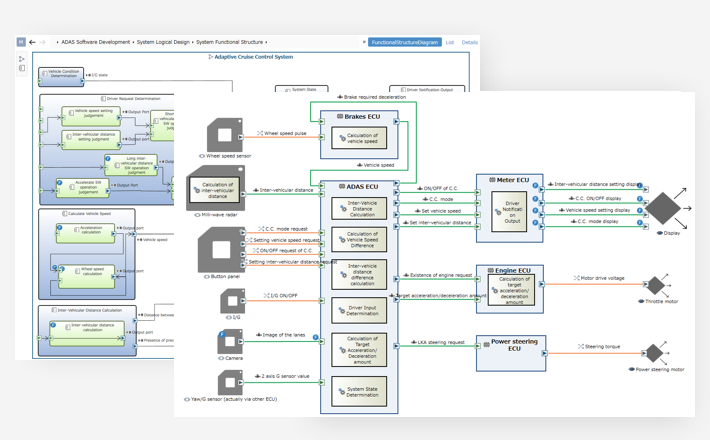
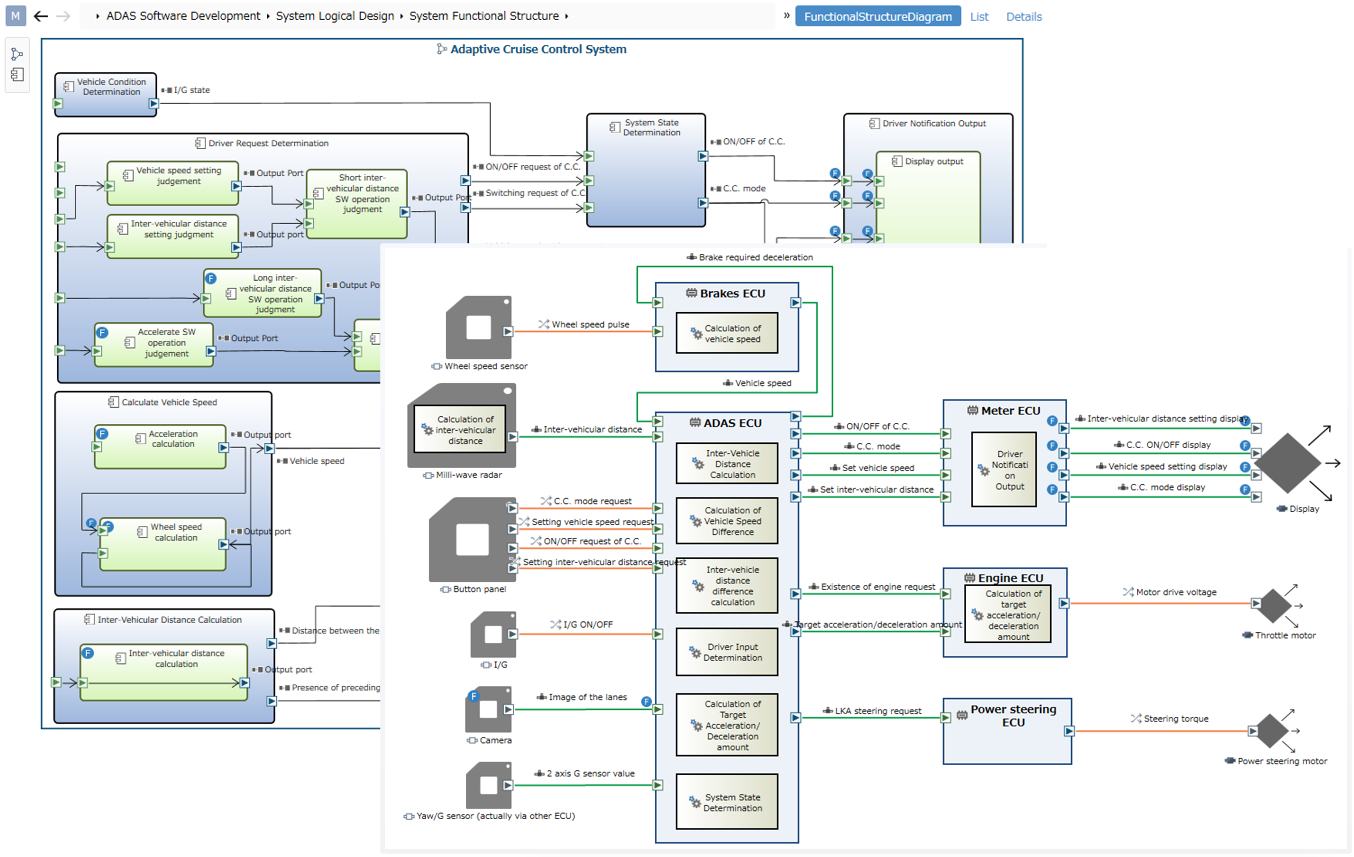
System design
-
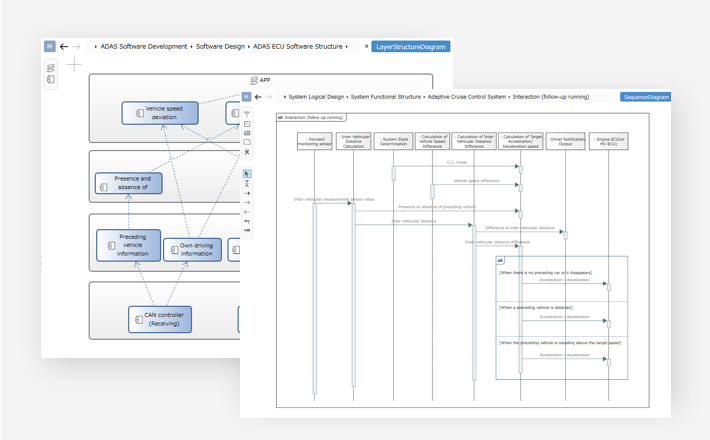
Software design
Example on derivative development
It can also be applied to bottom-up development that leverages existing assets and established rules.
-
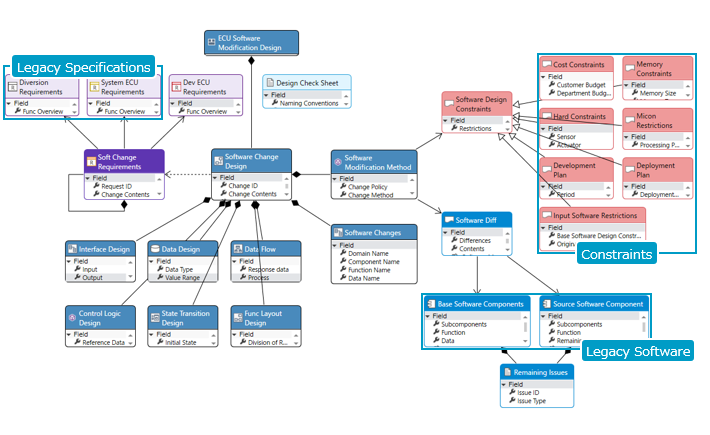
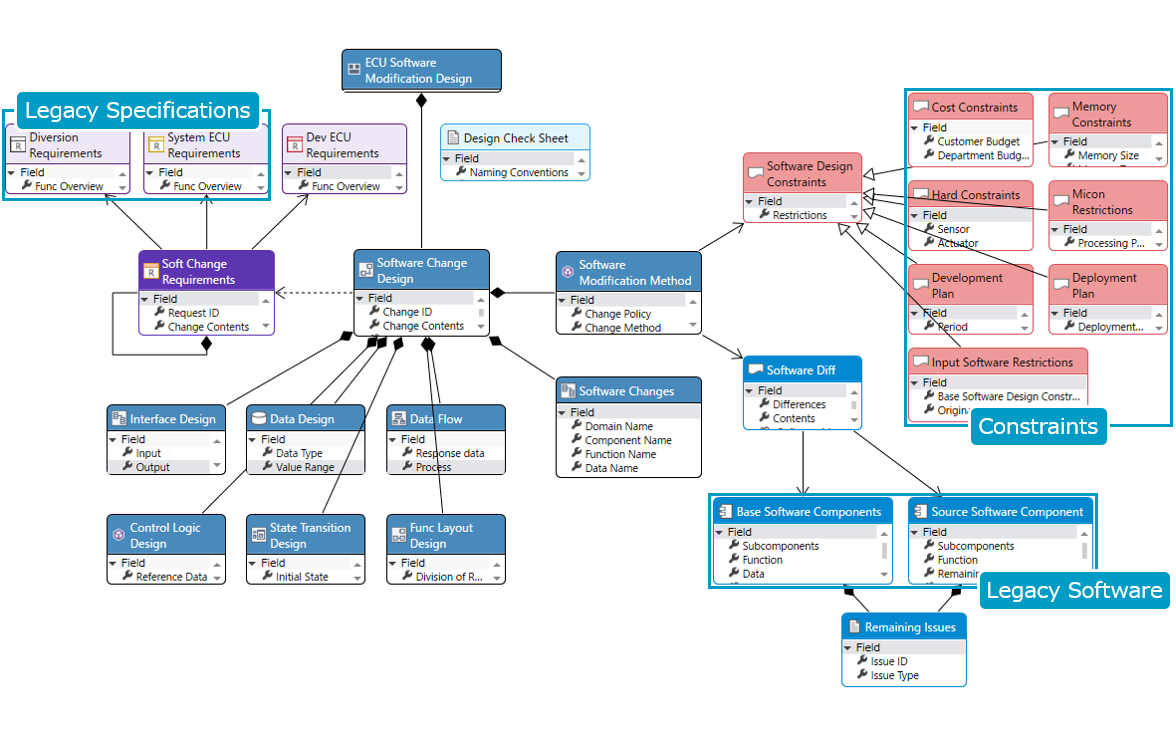
Metamodeling existing assets and constraints
Materialize the experience and tacit knowledge locked inside engineers' heads into a meta-model, transforming them into your organization's standard design methodology.
-
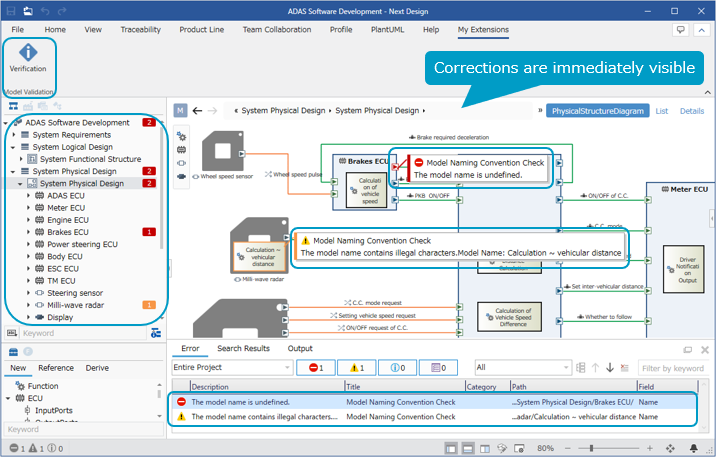
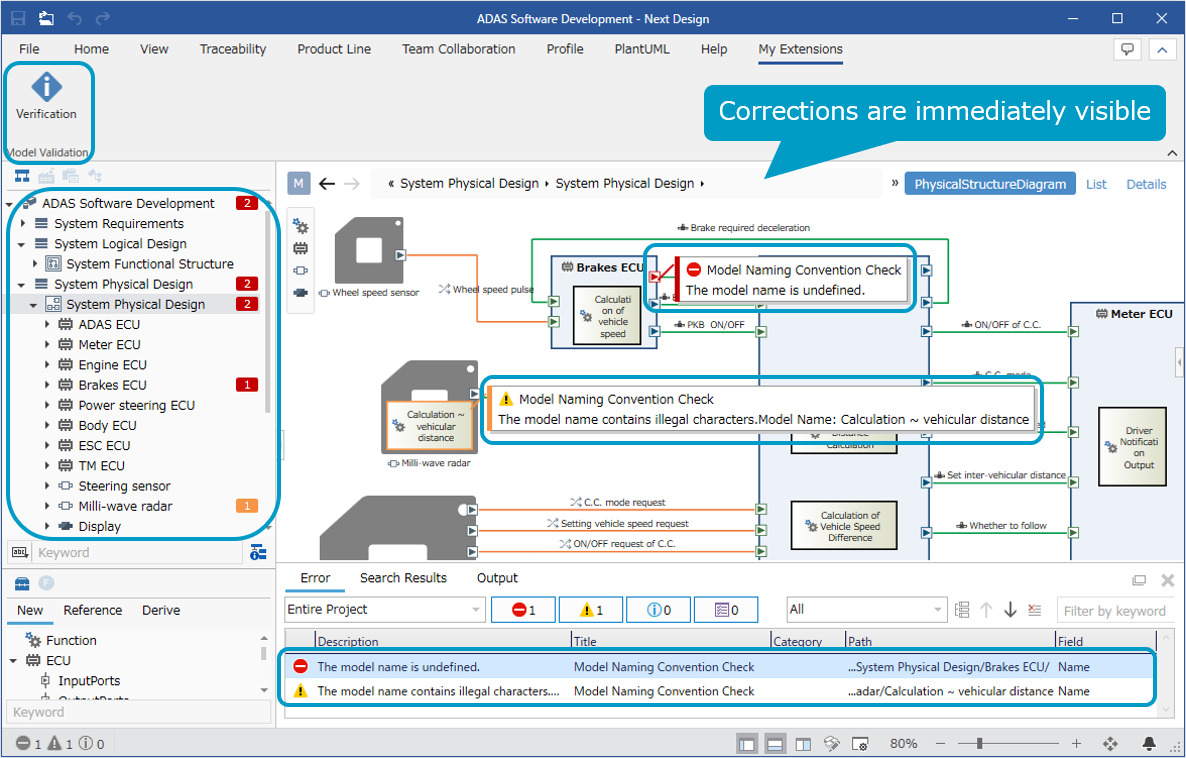
Adding plugin for checking violations of development rules
With the addition of a feature to check for violations of product-specific development rules, you can also detect potential issues lurking in existing assets.
Examples on other designs
-
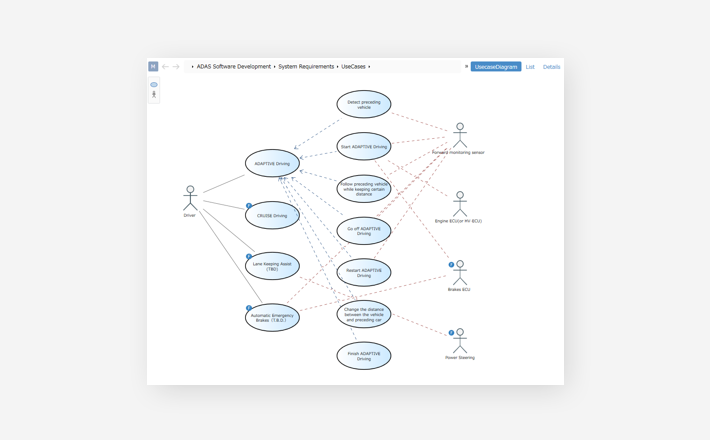
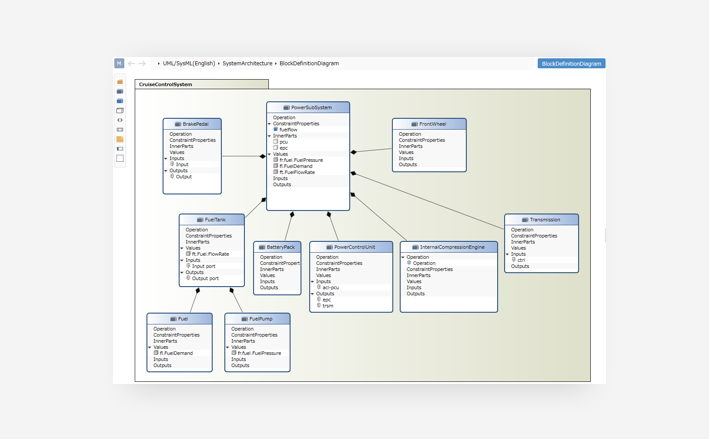
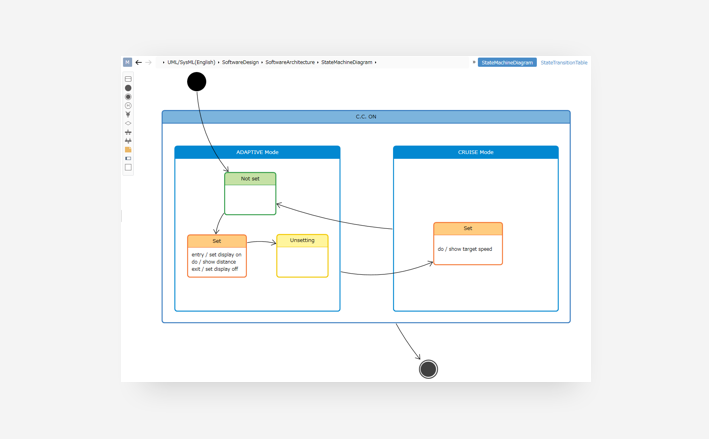
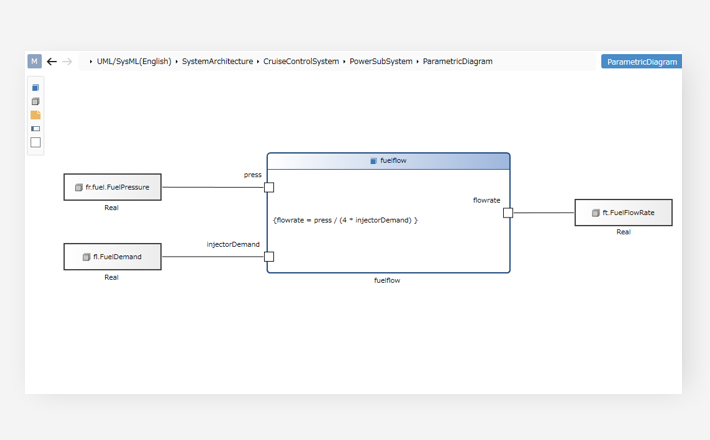
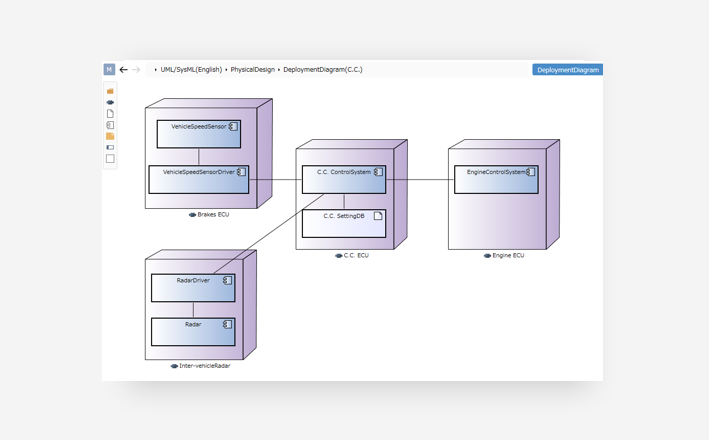
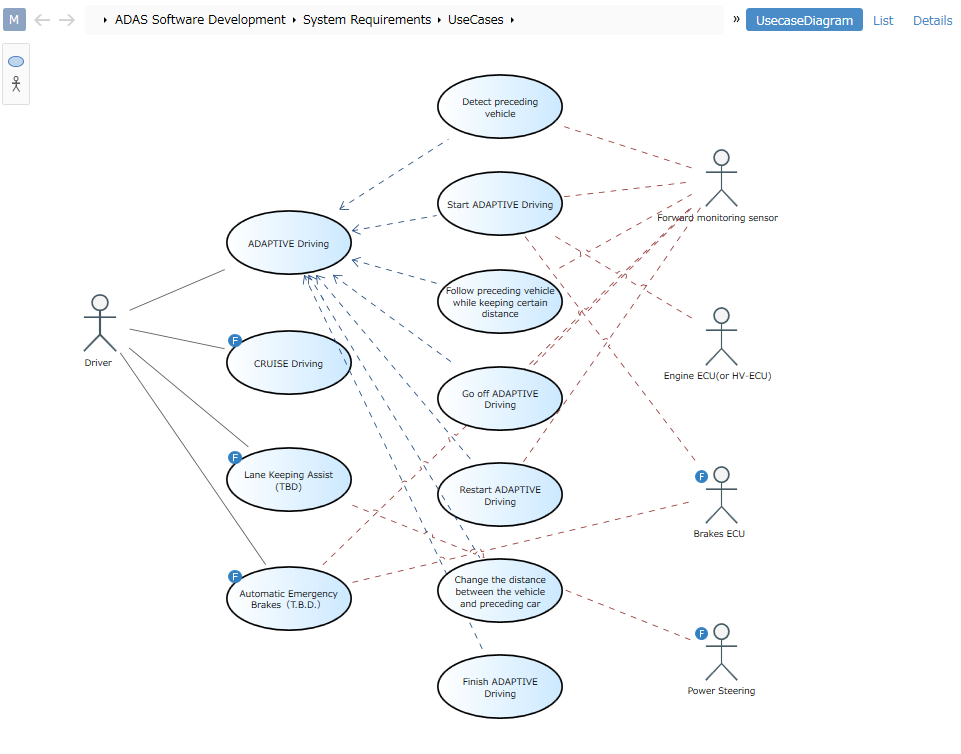
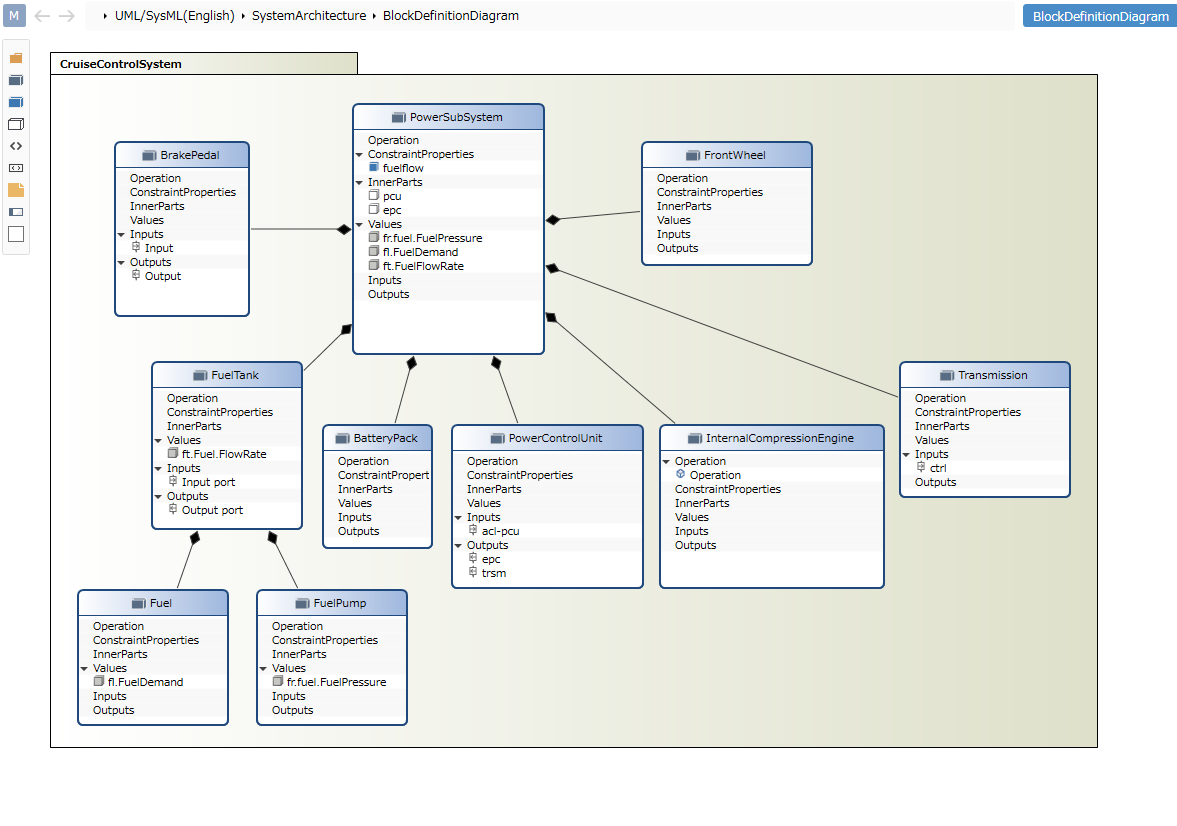
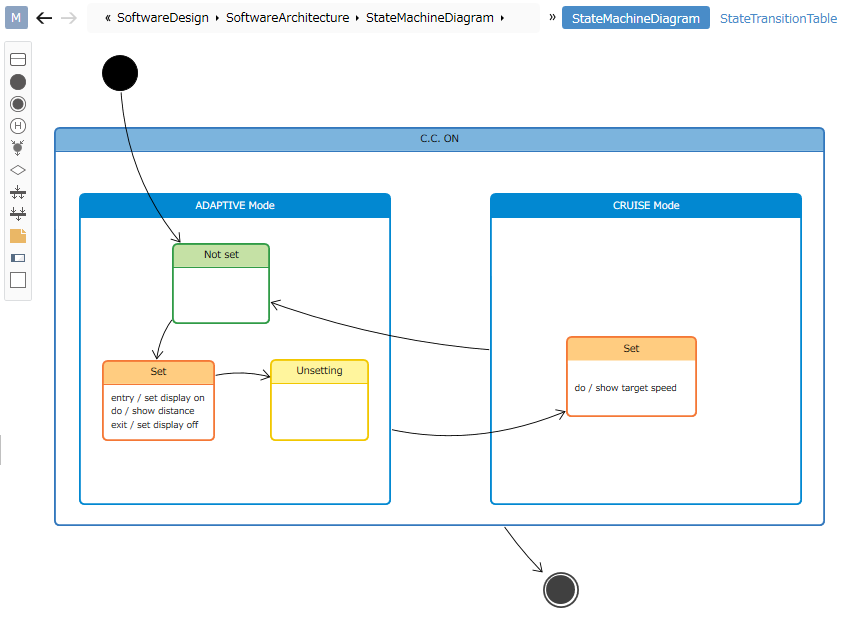
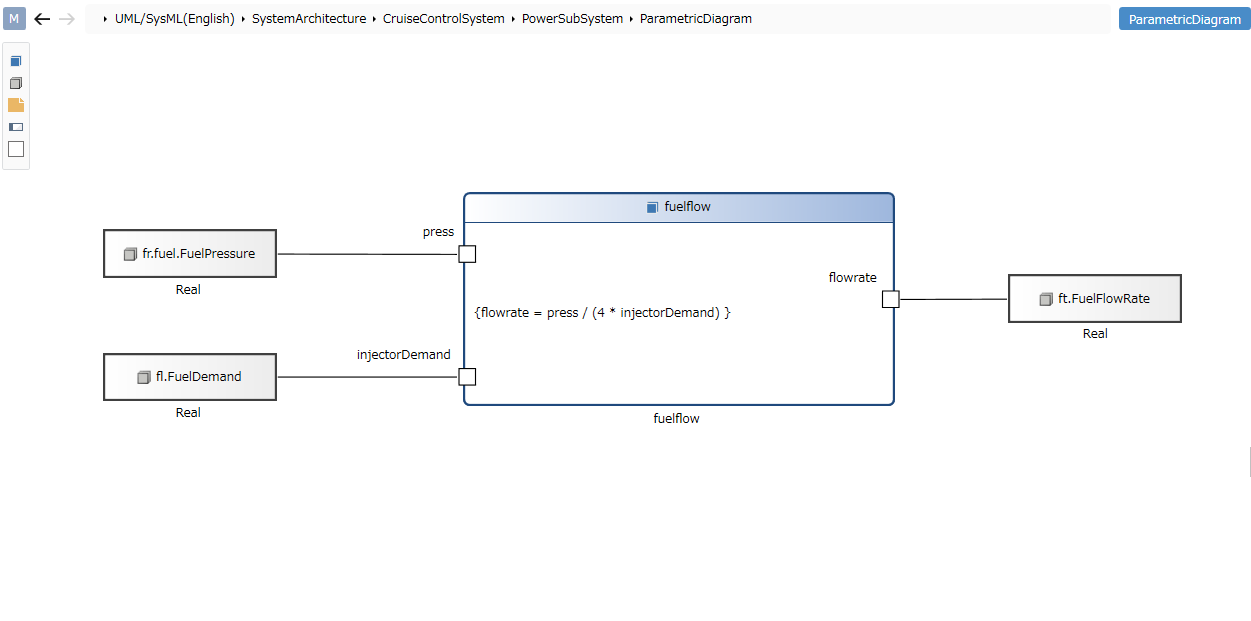
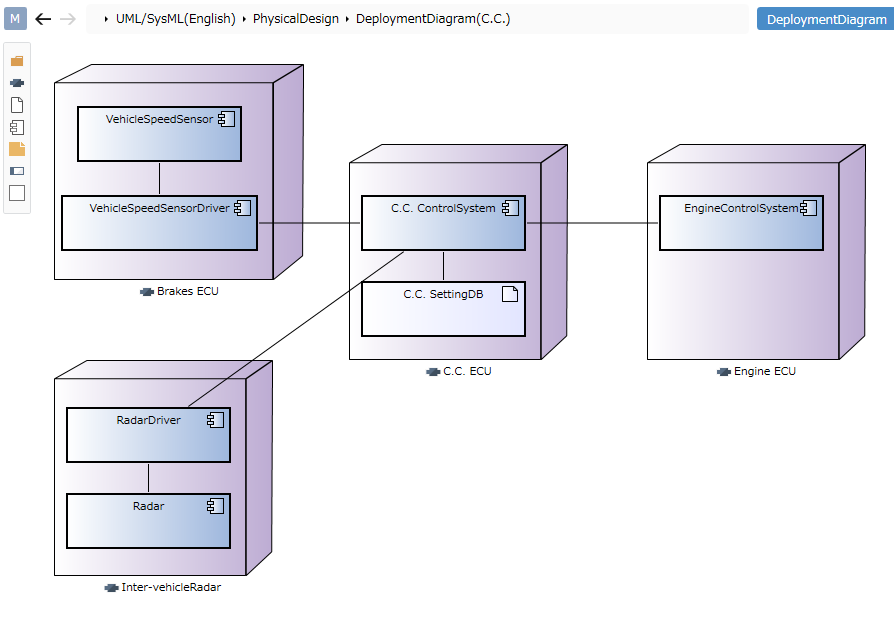
Showing models with UML/SysML
-
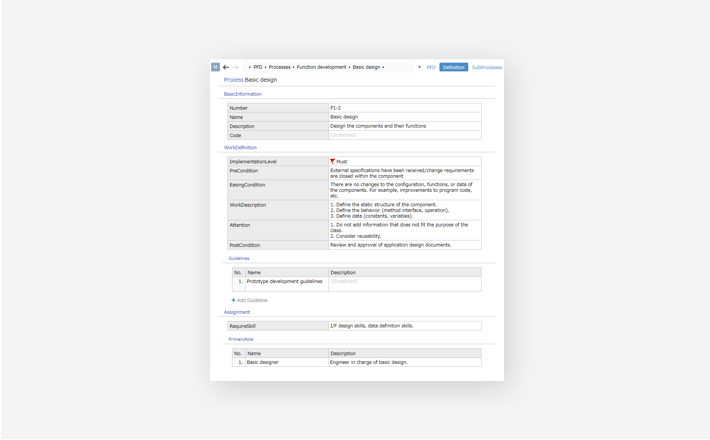
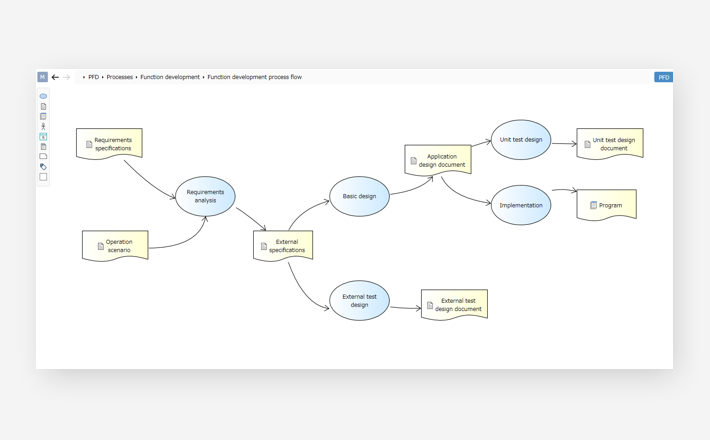
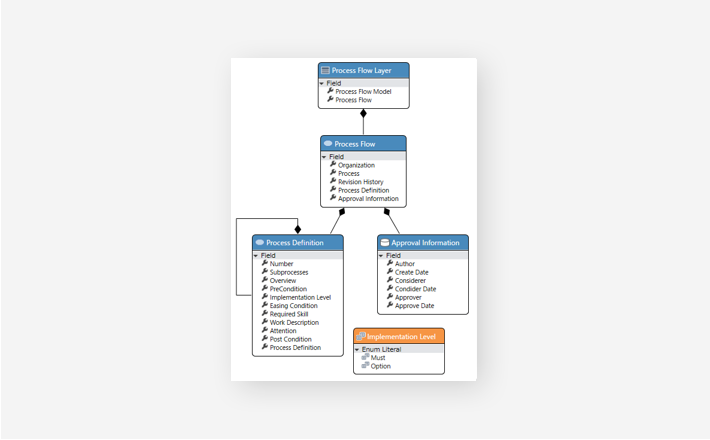
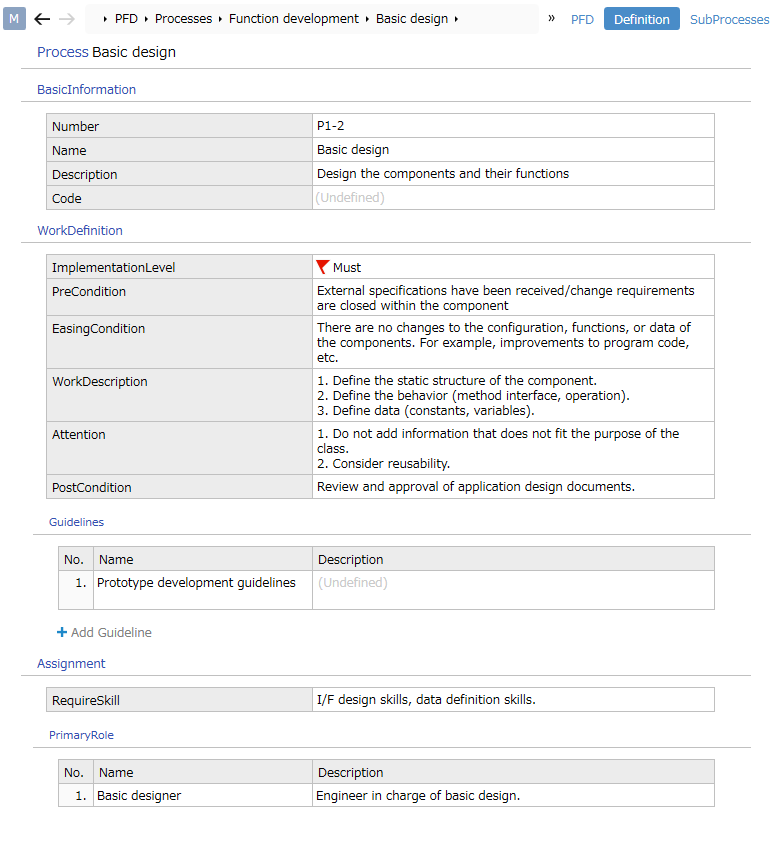
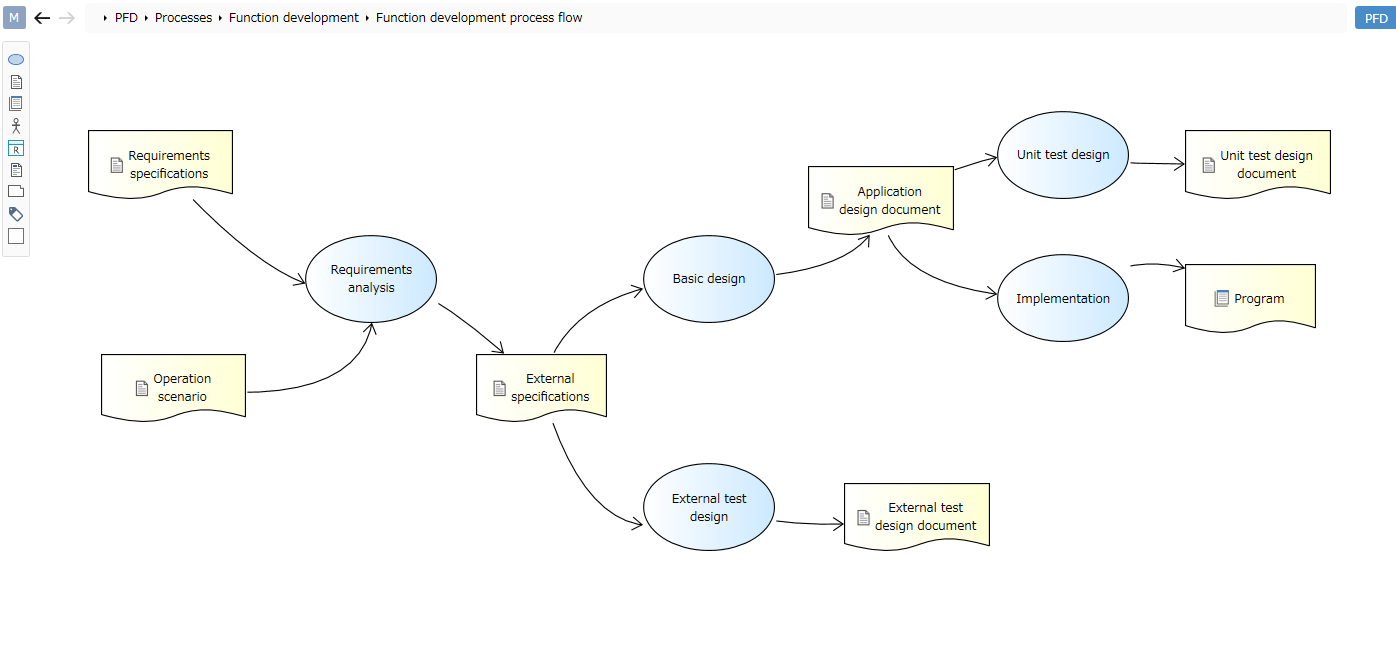
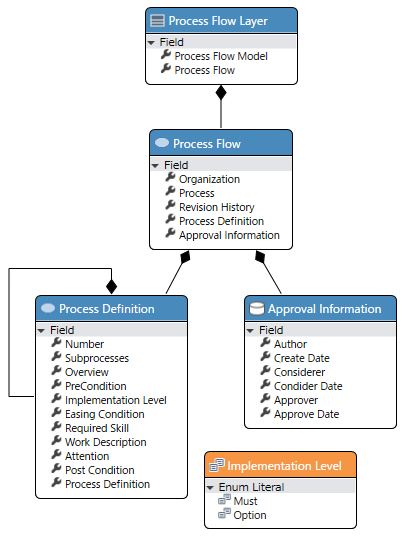
Applicating to process design
By defining the relationships between the processes and the elements of the deliverables in a meta-model, it can be applied to the design of
processes, etc.
USER Users
Introducing key companies that have adopted Next Design.




Next-generation design tool with innovative digital transformation
Click here for pricing and paid support services.